English
Why Titanium Parts Are So Expensive
Writer:admin Time:2023-06-06 00:00 Browse:views
Titanium, one of the most advanced and high-performing metals in the world, is known for its exceptional strength, light weight, and resistance to corrosion. These properties make it indispensable in industries such as aerospace, defense, medical, and high-performance sports equipment. However, titanium parts come with a high price tag. Understanding the factors that contribute to the high cost of titanium parts is essential for manufacturers, procurement professionals, and engineers working with this versatile material.
This article explores the reasons why titanium parts are so expensive, with a focus on factors like material sourcing, manufacturing processes, machining challenges, and market demand. We will also provide real-world data, cost breakdowns, and expert insights into how to manage costs when working with titanium.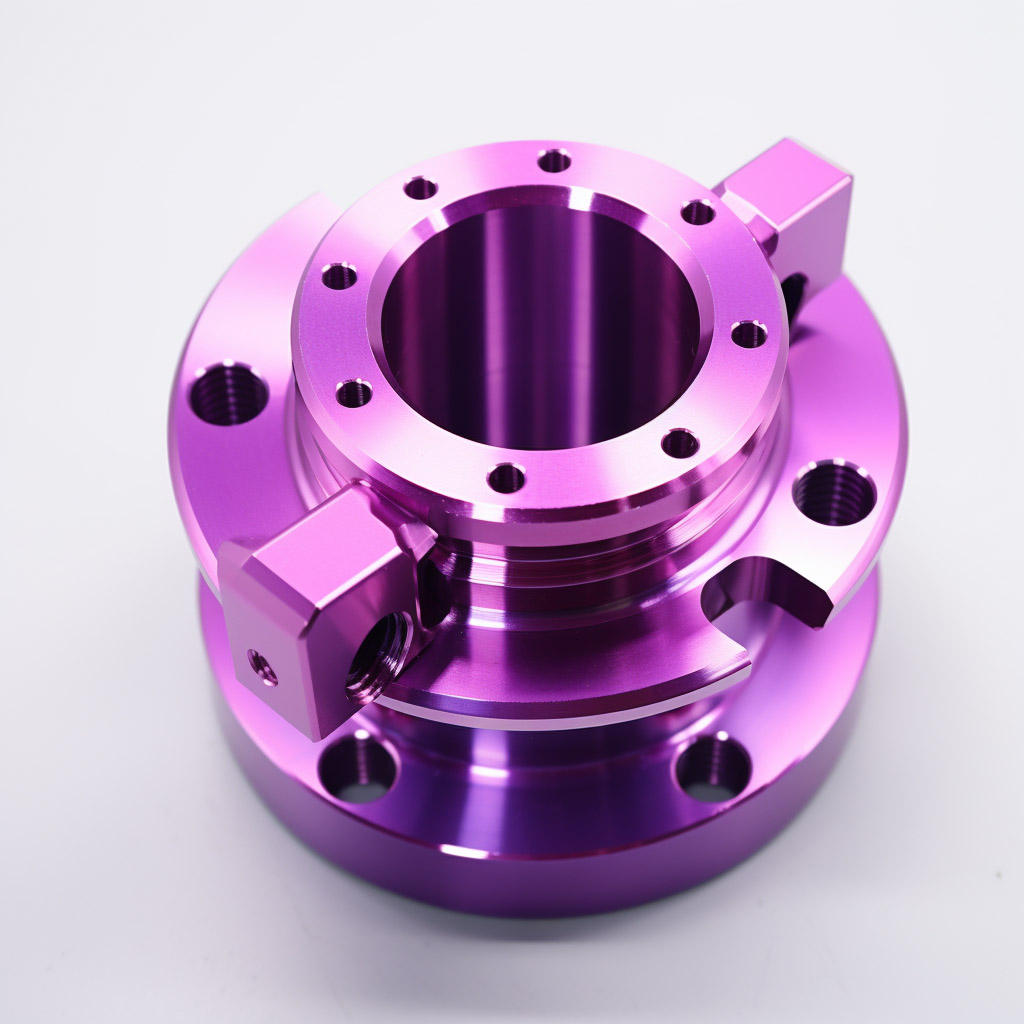
1. What Makes Titanium So Expensive?
The high cost of titanium parts can be attributed to several factors, including raw material costs, complex manufacturing processes, and specialized machining techniques. Let’s break down each of these factors to understand why titanium is one of the most expensive materials used in industrial applications.
1.1 Material Sourcing and Availability
Titanium is not as abundant as materials like steel or aluminum, and its extraction is a labor-intensive and energy-consuming process. Titanium ore, primarily ilmenite and rutile, must undergo a series of processes to convert it into pure titanium. These processes include high-temperature chlorination and Kroll reduction, both of which are costly and require specialized equipment.
Raw titanium price: Titanium sponge (the raw material for titanium parts) can cost $15 to $30 per kg, which is significantly higher than the cost of aluminum or steel.
1.2 Complex Manufacturing Processes
The production of titanium parts often involves complex and time-consuming manufacturing processes such as casting, forging, and powder metallurgy. These processes require specialized equipment and skilled labor, both of which contribute to the overall expense.
1.3 Machining Challenges
Titanium is known for its hardness and low thermal conductivity, which makes it difficult to machine. Specialized tools and techniques are needed to achieve the tight tolerances required for aerospace, medical, and other high-performance applications.
Tool wear: The hardness of titanium results in rapid tool wear, which increases tooling costs.
Heat generation: Titanium generates a lot of heat during machining, requiring high-pressure coolant systems and often leading to higher operational costs.
1.4 Market Demand and Application Specificity
Titanium is used primarily in high-performance industries, where its unique properties are essential. For example, in the aerospace sector, titanium is used for aircraft frames, turbine blades, and engine components. These applications demand high reliability and performance, which further justifies the premium cost.
The high demand for titanium in these niche applications means that the supply chain must meet strict quality control standards, further driving up costs.
2. Titanium vs. Other Materials: A Cost Comparison
To better understand why titanium parts are so expensive, let’s compare the cost of titanium with other common materials used in industrial applications, such as aluminum, steel, and nickel-based superalloys.
2.1 Material Price Comparison
The price of titanium can vary based on the grade, form, and quantity purchased, but it is typically far more expensive than aluminum or steel. Superalloys such as Inconel 718 are also quite expensive, but they are used for specific high-temperature applications like turbine blades, which is a driving factor for their pricing.
Table 1: Material Cost Comparison
| Material | Cost per Kilogram | Typical Applications | Key Properties |
|---|---|---|---|
| Titanium | $15–$30 | Aerospace, medical implants, sports | High strength, low weight, corrosion resistance |
| Aluminum | $2–$3 | Automotive, structural parts, packaging | Lightweight, moderate strength |
| Steel | $1–$2 | Construction, automotive, machinery | High strength, cost-effective |
| Inconel 718 | $50–$100 | Turbine engines, heat exchangers | High temperature resistance, strength |
As shown in the table, titanium costs significantly more than steel and aluminum, but its exceptional properties justify its higher price in high-performance applications.
3. Manufacturing and Machining Challenges for Titanium Parts
The high cost of titanium is also driven by the challenges involved in its manufacturing and machining. Let’s explore some of these challenges in detail.
3.1 Tool Wear and Material Hardness
Titanium is a hard material, and its low thermal conductivity means that it tends to retain heat during machining, leading to increased tool wear. Standard carbide tools or high-speed steel may not be sufficient, requiring specialized tools such as PCD (polycrystalline diamond) or CBN (cubic boron nitride) inserts.
Tooling cost: Titanium machining can increase tooling costs by 30% to 50% compared to machining other metals like steel or aluminum.
3.2 High Energy Consumption
The machining of titanium requires high spindle speeds and slow feed rates to minimize heat buildup and tool wear. As a result, energy consumption is significantly higher than for other materials, increasing overall production costs.
Energy cost: Due to the specialized machining methods, titanium parts may consume up to 20% more energy than parts made from other materials.
3.3 Complex Geometries and Multi-Axis Machining
Titanium parts often have complex geometries with intricate internal features or thin-walled designs, which require multi-axis CNC machining. This is particularly true in aerospace and defense applications, where parts must be lightweight but extremely strong.
Machining complexity: Multi-axis machining setups are more expensive than standard CNC machines, driving up both the initial investment and operating costs.
4. Titanium Processing Methods and Costs
Several processing methods are used to create titanium parts, each with its associated costs and benefits.
4.1 Casting
Titanium can be cast into complex shapes using methods such as investment casting or die casting. However, these methods require high-energy consumption, specialized molds, and strict quality controls, which increase production costs.
Casting cost: Casting titanium parts can add 20%–30% to the material cost due to the complexity of the process.
4.2 Forging
Titanium forging is a common method used in aircraft components such as landing gear and airframe structures. The forging process involves high temperatures and specialized molds, adding additional cost to the production process.
Forging cost: Forging titanium parts is costly, with some estimates putting the process at 1.5 to 2 times the cost of standard machining.
4.3 Powder Metallurgy
For complex shapes, powder metallurgy can be an option, where titanium powder is compacted and sintered into the desired form. While this can reduce material waste, the process is time-consuming and expensive.
Powder metallurgy cost: Producing titanium parts through powder metallurgy can add 30%–50% to production costs compared to traditional machining methods.
Table 2: Titanium Processing Method Costs
| Method | Process Description | Estimated Cost Increase | Applications |
|---|---|---|---|
| Casting | High-temperature casting with molds | +20%–30% | Complex shapes, aerospace |
| Forging | Hot working of titanium into shapes | +50%–100% | Aircraft components, structures |
| Powder Metallurgy | Titanium powder sintering | +30%–50% | Aerospace, defense, medical |
5. Market Demand for Titanium
Another factor that drives up the cost of titanium is market demand. Titanium is in high demand for aerospace, medical implants, defense, and high-performance automotive parts, where its unique properties are essential.
5.1 Aerospace and Defense Demand
In aerospace and defense, titanium is used for critical components such as engine parts, landing gear, and turbine blades. The stringent demands for strength, lightweight, and corrosion resistance in these sectors make titanium an ideal material but also add to the cost.
5.2 Medical Industry Demand
In the medical industry, titanium implants such as dental implants and joint replacements are valued for their biocompatibility, durability, and resistance to corrosion. However, the high precision required for medical implants increases production costs significantly.
Medical implants market: The titanium implant market is expected to grow at 6% annually, further increasing demand and prices.
**6. How
to Manage Titanium Costs in Production**
While titanium parts are expensive, there are strategies manufacturers can employ to mitigate costs:
6.1 Efficient Machining and Tool Selection
By using advanced CNC machining, 5-axis machines, and specialized tool coatings, manufacturers can reduce tool wear and improve the overall efficiency of the machining process. Optimizing cutting speeds and feed rates also helps reduce operating costs.
6.2 Material Sourcing
Strategically sourcing raw titanium from reliable suppliers and purchasing in bulk can help reduce material costs. Additionally, using titanium recycling technologies can significantly lower the cost of titanium components.
6.3 Process Optimization
Optimizing the manufacturing process to reduce waste and improve material yield can reduce costs. Techniques like near-net shape manufacturing (such as additive manufacturing) are becoming increasingly popular to reduce material waste.
7. Conclusion
Titanium is a remarkable material with unique properties that make it essential for industries like aerospace, defense, and medical. However, the cost of titanium parts remains high due to factors such as material sourcing, complex manufacturing processes, and machining challenges. Understanding these factors and employing strategies to optimize production processes can help companies manage costs.
For businesses looking to optimize their titanium machining processes, partnering with experts in the field like EadeTech can help streamline production while ensuring high-quality parts. EadeTech specializes in CNC machining, additive manufacturing, and other advanced manufacturing techniques for titanium parts.
For more information, visit EadeTech.
Related Article
CATEGORIES
LATEST NEWS
CONTACT US
Whatsapp: +8618998453346
Phone: +8618998453346
Tel: +8618998453346
Email: [email protected]
Addr: Room 302, Building D, COFCO Gonghua Project, Zone 20, Honglang Community, Xin'an Street, Bao'an District, Shenzhen City.