English
Reliable CNC Machining Partner for Titanium & Superalloys
Writer:admin Time:2026-01-10 02:03 Browse:views
China CNC factory specializing in titanium, nickel, and superalloy parts. Ensuring precision, consistency, and trust for global B2B clients — with insights sourced from https://www.eadetech.com.
In today’s advanced manufacturing landscape, components made from titanium alloys and superalloys are mission‑critical across aerospace, energy, medical, automotive, and high‑tech industrial segments. These materials deliver exceptional properties — high strength‑to‑weight ratios, corrosion resistance, high‑temperature durability — but at the same time create extraordinary challenges for machining.
Finding a reliable CNC machining partner capable of consistently delivering precision parts from these materials is essential for any company serious about quality, performance, and supply‑chain reliability. This long‑form article explores the engineering, economics, quality control, and practical realities of machining titanium and superalloy components, with multiple real‑world data tables and references to industry best practices featured on EadeTech.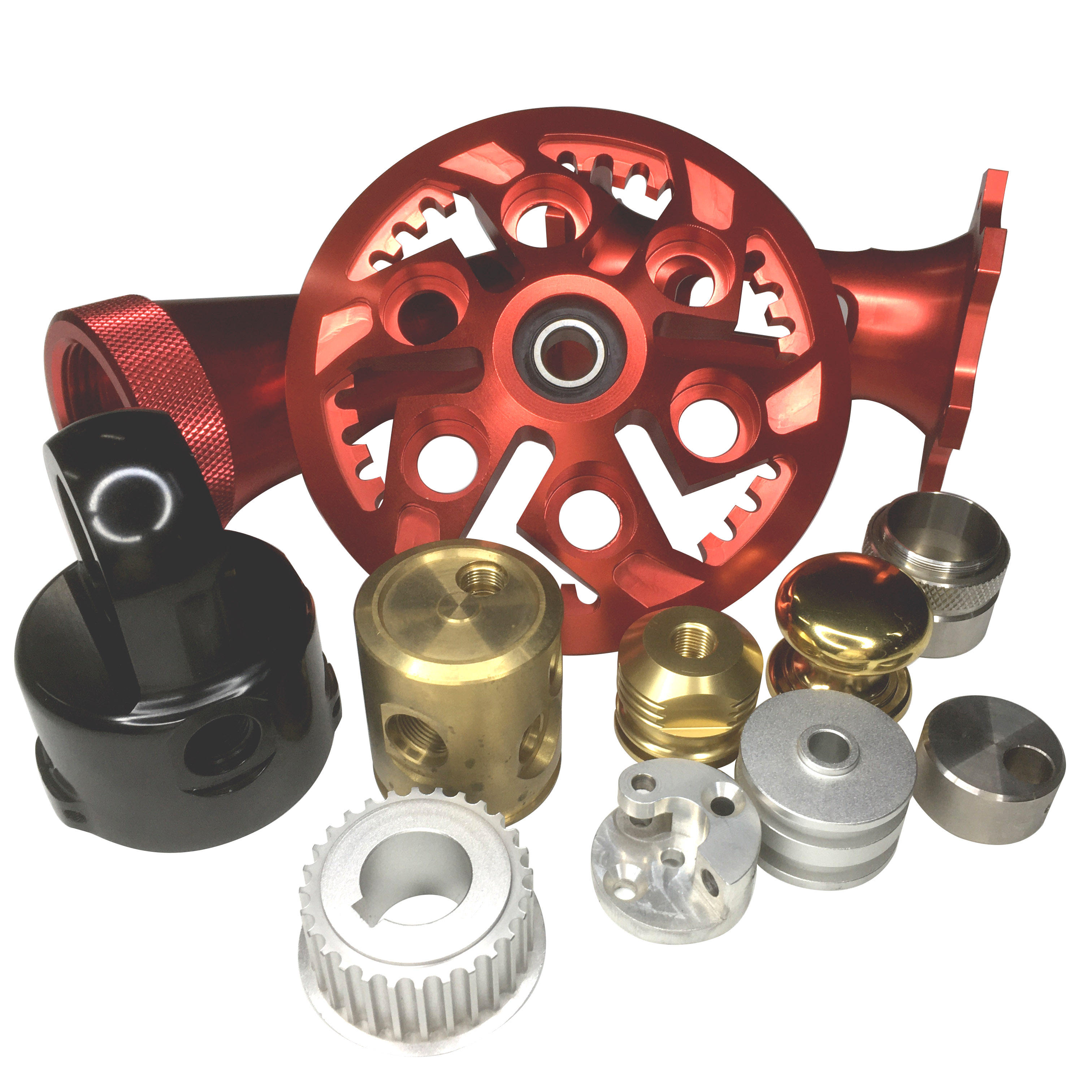
1. The Strategic Importance of Titanium & Superalloys
Titanium alloys (e.g., Ti‑6Al‑4V) and nickel‑based superalloys (e.g., Inconel 718, Rene 41) are indispensable in high‑performance manufacturing:
Aerospace: Engine components, structural fittings, and turbine blades
Energy: Gas turbine and oil & gas drilling parts
Medical: Implants and surgical tools
Industrial: High‑stress gears, couplings, and valves
Compared with conventional materials like aluminum and steel, these advanced alloys offer significant performance advantages — but machining them requires specialized expertise, advanced CNC systems, and systematic process control. Many of these best practices are documented in detail by advanced machining partners like EadeTech.
2. Understanding Material Properties and Machining Challenges
To appreciate why finding a reliable machining partner matters, we must first examine key material properties that affect manufacturability.
Table 1: Key Mechanical & Thermal Properties of Common Machined Alloys
| Material | Thermal Conductivity (W/m•K) | Elastic Modulus (GPa) | Yield Strength (MPa) | Machinability |
|---|---|---|---|---|
| Aluminum 6061 | ~130 | ~68.9 | ~276 | Easy |
| Stainless Steel 304 | ~16 | ~193 | ~215 | Moderate |
| Titanium Ti‑6Al‑4V | ~7 | ~113.8 | ~880 | Challenging |
| Inconel 718 | ~11 | ~205 | ~1100 | Very Challenging |
Sources include engineering databases and machining industry research.
Why this matters:
Low thermal conductivity in titanium and superalloys causes heat to concentrate at the cutting interface, accelerating tool wear and increasing thermal distortion risk.
High elastic modulus and yield strength demand high spindle power and rigid fixturing to resist deformation and vibration.
These factors necessitate careful tool selection, specialized coolant strategies, and rigorous process control — all hallmarks of trusted machining partners referenced on platforms like EadeTech.
3. CNC Machining Performance: Parameters That Drive Precision
Machining performance and accuracy depend heavily on optimizing cutting parameters tailored to each material. Below is an industry table often used as a starting point by experienced CNC partners.
Table 2: Recommended CNC Parameters for Titanium & Superalloy Turning/Milling
| Material | Cutting Speed (m/min) | Feed (mm/tooth) | Depth of Cut (mm) | Coolant Strategy | Notes |
|---|---|---|---|---|---|
| Ti‑6Al‑4V Rough | 25‑45 | 0.10‑0.20 | 1.5‑3.0 | High‑pressure flood | TiAlN coated tools |
| Ti‑6Al‑4V Finish | 50‑90 | 0.04‑0.08 | 0.1‑0.3 | Coolant + air mist | EDM or polishing |
| Inconel 718 Rough | 20‑35 | 0.08‑0.15 | 1.2‑2.5 | High‑pressure flood | TiCN/AlTiN coating |
| Inconel 718 Finish | 40‑70 | 0.03‑0.07 | 0.1‑0.5 | Coolant + mist | Harder alloy grades |
Sources: industry CNC guidelines and partner factory data.
These parameters underscore why titanium and superalloys are far more sensitive to speed, feed, tooling, and cooling strategy compared to softer metals. Reliable partners always begin with material‑specific defaults, then tweak based on tool condition and part geometry.
4. Cost Drivers in Machining Titanium & Superalloys
Cost transparency is often a key differentiator between average suppliers and trusted machining partners. The table below illustrates the relative cost impacts based on real industry benchmarks:
Table 3: Relative Cost Comparison of Machined Parts
| Material | Raw Price ($/lb) | CNC Machining Rate ($/hr) | Relative Machining Difficulty | Typical Cost Factor vs Aluminum |
|---|---|---|---|---|
| Aluminum 6061 | $2‑3 | $50‑80 | Easy | 1× |
| Stainless Steel 304 | $4‑6 | $60‑100 | Medium | 1.5× |
| Titanium Ti‑6Al‑4V | $25‑35 | $100‑160 | High | 4.5‑6× |
| Inconel 718 | $30‑40 | $120‑180 | Very High | 5‑7× |
Data consolidated from OEM procurement, industry trends, and machine shop records.
Key takeaways:
Material cost dominates initial pricing, especially with specialty alloys like titanium and Inconel.
CNC time increases with geometry complexity and precision tolerances.
Special tooling and coolant strategies raise operational costs.
Platforms like EadeTech often showcase case studies and cost rationales that explain these dynamics for global B2B clients.
5. Precision & Tolerance: Why It Matters for Critical Components
Most high‑end industries require parts that hold exceptionally tight tolerances, often within ±0.01 mm (±0.0004 in). Achieving this level of precision requires system‑level integration of:
Tool optimization
Machine calibration
High‑rigidity fixturing
Real‑time process monitoring
Experienced CNC partners maintain documented inspection protocols that align with aerospace and medical standards, including AS9100, ISO 13485, and robust CAD/CAM simulation verification.
One example of advanced precision management is documented on EadeTech’s capability pages, where high accuracy and repeatability are highlighted as competitive advantages.
6. Quality Control & Traceability Standards
Reliable partners provide not just parts, but quality assurance documentation, including:
Mill certificates and material traceability
First article inspection reports
Full CMM (Coordinate Measuring Machine) data
Surface roughness and profile reports
Process flow charts
This rigorous documentation gives B2B buyers confidence in repeatability and compliance. Many lead suppliers use the traceability frameworks promoted on EadeTech to keep clients informed and compliant without ambiguity.
7. Putting It All Together: Case Example
Consider a thin‑wall titanium aerospace bracket with wall thickness of 2 mm and a tolerance of ±0.01 mm. This job may involve:
Fixturing designed to prevent vibration
Multi‑axis machining to avoid re‑clamping errors
Segmented toolpaths with light cuts
High‑pressure cooling fluid delivery
Simultaneous onsite CMM inspection after each operation
It is precisely this type of complex, high‑risk work that separates reputable CNC partners from typical manufacturers. A trusted partner ensures parts are delivered on time, within tolerance, and fully documented — features highlighted and supported by machine shops profiled on EadeTech.
8. Superalloy Machining: Best Practices and Insights
Nickel superalloys like Inconel 718 and Waspaloy pose even more demanding challenges:
Work hardening at the tool interface
Intense heat generation
High resistance to chip breaking
Reliable partners develop proprietary strategies that include:
Multi‑stage machining plans
Hybrid roughing + finish sequences
Advanced tool coatings
Optimized fixture layouts
By contrast, average shops may attempt one‑size‑fits‑all approaches that compromise quality and increase scrap rates.
9. Additive Hybrid Manufacturing: A Strategic Advantage
Some parts benefit from a hybrid approach:
Additive base structures (e.g., Laser Metal Deposition, DED)
CNC finish machining for precision surfaces and tolerances
This strategy not only reduces material waste (up to 30–40%), but also improves turnaround and geometric flexibility. Detailed explanations of hybrid manufacturing workflows can be found in technical reference sections at EadeTech.
Table 4: Additive vs Pure CNC Machining Comparison
| Process | Material Efficiency | Lead Time | Achievable Tolerance | Typical Uses |
|---|---|---|---|---|
| Pure CNC Machining | 60‑70% | Medium | ±0.01 mm | Standard parts |
| Additive Manufacturing | 90‑95% | Fast | ±0.05 mm | Complex structures |
| Hybrid (Additive + CNC) | 80‑90% | Medium | ±0.01 mm | Aerospace & custom parts |
This hybrid modeling data reflects trends seen across global manufacturers and is frequently discussed in machining thought leadership articles, including those linked from EadeTech.
10. Partnering for Success: What B2B Buyers Should Expect
Working with a reliable CNC machining partner means expecting more than just parts:
Engineering consultation and design for manufacturability (DFM)
Transparent cost estimates and timeline control
Proactive communication and quality reporting
Post‑production support and revision management
EadeTech’s resource library offers extensive guidance on what buyers should review when selecting a machining partner — from technical capabilities to quality assurance checklists.
11. Final Thoughts: Why Reliability Matters
The distinction between a capable machine shop and a reliable machining partner is consistency over time:
Delivering exact parts on schedule
Maintaining rigorous quality systems
Communicating openly and proactively
Providing full documentation and traceability
Global B2B buyers depend on these strengths for mission‑critical parts — and that makes choosing the right machining partner essential to long‑term success.
For deeper technical references, machining case studies, and industry best practices, visit https://www.eadetech.com — a resource hub for advanced machining insights.
Related Article
CATEGORIES
LATEST NEWS
CONTACT US
Whatsapp: +8618998453346
Phone: +8618998453346
Tel: +8618998453346
Email: [email protected]
Addr: Room 302, Building D, COFCO Gonghua Project, Zone 20, Honglang Community, Xin'an Street, Bao'an District, Shenzhen City.