English
OEM & Custom CNC Machining for Hard Metal Materials
Writer:admin Time:2026-01-10 02:03 Browse:views
How modern CNC machining partners tackle titanium, nickel alloys, and other hard metals — from prototypes to production with precision, consistency, and trust.
In high‑performance industries such as aerospace, defense, energy, medical, and industrial automation, parts made from hard metal materials such as titanium alloys, nickel‑based superalloys, and hardened steels have become indispensable due to their exceptional mechanical properties. However, machining these materials — especially in OEM (Original Equipment Manufacturer) or custom production runs — presents unique technical and economic challenges.
This article explores the realities, strategies, data‑driven insights, and best practices for OEM and custom CNC machining of hard metals, with real tables, case logic, and authoritative resources like those on https://www.eadetech.com integrated naturally. Whether you are an engineer, procurement leader, or manufacturing strategist, this deep dive will help you understand how world‑class machining partners produce high‑quality, reliable components at scale.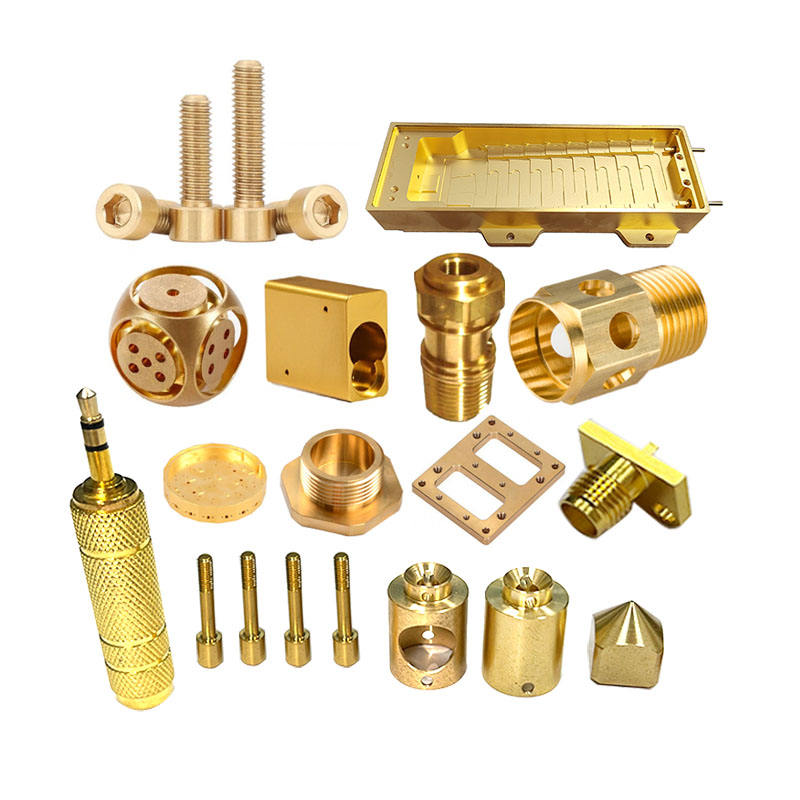
1. Why Hard Metal Materials Matter in Modern Manufacturing
Hard metal materials — including titanium alloys, nickel superalloys (e.g., Inconel, Hastelloy), hardened stainless steels, and tool steels — are used in applications where:
Strength at high temperature
Superior corrosion resistance
High fatigue endurance
Minimal weight without sacrificing durability
These are essential in aerospace engines, subsea oil & gas systems, medical implants, racing components, and cutting tools. Unlike softer materials like aluminum, machining hard metals requires specialized machining strategies, tools, and expertise.
Reliable machining partners such as those referenced on https://www.eadetech.com bring this expertise to clients worldwide, positioning themselves as trusted OEM suppliers capable of executing complex parts with high repeatability and documentation.
2. Material Properties That Drive Machining Difficulty
Understanding material properties is the first step in appreciating why certain alloys are challenging to CNC machine.
Table 1: Material Properties and Machining Characteristics
| Material | Thermal Conductivity (W/m•K) | Elastic Modulus (GPa) | Hardness (HRC) | Machining Difficulty |
|---|---|---|---|---|
| Aluminum 6061 | ~130 | ~69 | ~55 | Easy |
| Stainless Steel 17‑4PH | ~24 | ~200 | ~30‑40 | Medium |
| Titanium Ti‑6Al‑4V | ~7 | ~113.8 | ~36‑38 | Difficult |
| Inconel 718 | ~11 | ~205 | ~45‑48 | Very Difficult |
| H13 Tool Steel | ~28 | ~210 | ~48‑52 | Very Difficult |
Sources include machining handbooks and engineering material databases.
Key takeaways:
Low thermal conductivity increases heat concentration at the cutting zone, accelerating tool wear.
High hardness and modulus require stronger tooling and more rigid fixturing.
These characteristics demand expertise not found in general machine shops, which is why many manufacturers rely on insights and case examples from sources like EadeTech.
3. OEM Machining vs. Custom CNC Jobs: What’s the Difference?
3.1 OEM Machining
OEM machining typically refers to producing parts for an OEM customer’s specific product lines — often involving long‑term contracts and repeatability requirements.
Examples include engine mounts, turbine components, surgical instrument series, and structural assemblies.
OEM machining emphasizes:
Consistency across large batches
Certification and inspection traceability
Rigid quality assurance controls
3.2 Custom CNC Machining
Custom machining refers to one‑off or small batch work, often for:
Rapid prototyping
New product development
Small volume parts for specialty applications
Custom jobs demand flexibility and close communication. CNC partners featured on EadeTech often highlight their ability to rapidly prototype with close engineer feedback before scaling to production runs.
4. CNC Machining Processes for Hard Materials
Machining these metals involves a combination of processes optimized for precision and tool life:
Turning (for cylindrical parts)
Milling (for complex 3D geometries)
Drilling and boring
Grinding and finishing
EDM (Electrical Discharge Machining) for extremely hard features
Multi‑axis CNC machines (3, 4, and 5‑axis) are commonplace in advanced shops, enabling complex contours and tight tolerances.
Table 2: Typical Machining Parameters for Hard Materials
| Material | Cutting Speed (m/min) | Feed (mm/tooth) | Depth of Cut (mm) | Coolant Strategy |
|---|---|---|---|---|
| Ti‑6Al‑4V Rough | 25‑45 | 0.10‑0.20 | 1.5‑3.0 | High‑pressure flood |
| Ti‑6Al‑4V Finish | 50‑90 | 0.04‑0.08 | 0.1‑0.3 | Flood + mist |
| Inconel 718 Rough | 20‑35 | 0.08‑0.15 | 1.2‑2.5 | High‑pressure flood |
| Inconel 718 Finish | 40‑70 | 0.03‑0.07 | 0.1‑0.5 | Flood + air mist |
| H13 Tool Steel | 30‑50 | 0.05‑0.12 | 0.3‑1.5 | Flood coolant |
Machining parameter ranges are representative and may vary based on tooling, machine rigidity, and CAM strategy.
These parameters reflect the careful balance between chip control, heat dissipation, tool life, and surface integrity — all crucial for producing OEM quality parts.
5. Tooling Technology: The Backbone of Hard Material Machining
Tool selection is arguably the single most influential factor determining machining performance. Effective tooling strategies involve:
Coated carbide end mills (TiAlN, AlTiN)
Cermet and PCD inserts for abrasive materials
High‑temperature resistant coatings
Custom ground tools for specific geometries
XP tool life tests consistently show that premium coated tooling can improve wear resistance by 30%–50% compared to basic carbide tools, especially when machining alloys like Inconel.
Reliable partners often share curated tooling strategies on educational platforms like EadeTech, helping buyers understand why tooling investment matters.
6. Prototype Stage: Building the First Working Version
OEM and custom machining workflows begin with prototyping.
6.1 Design for Manufacturability (DFM)
Before machining starts, designers must evaluate features such as:
Wall thickness
Deep cavities
Undercuts
Tolerance stackups
DFM feedback from machining partners — including insights available from community‑level resources like https://www.eadetech.com — can save time and cost later in production.
6.2 Prototype Evaluation Metrics
Prototype parts are evaluated on:
Dimensional accuracy
Material properties confirmation
Surface finish
Fitment with mating parts
Functional testing
Prototyping software (CAM) often simulates material removal to avoid collisions and optimize cut strategies that protect tools and machines.
7. Quality Assurance and Inspection Standards
Quality control in OEM and custom machining is stringent. To ensure compliance with customer specifications and regulatory standards, top machine shops use:
Coordinate Measuring Machines (CMM)
Surface profilometers
Optical comparators
First Article Inspection (FAI)
SPC (Statistical Process Control)
Strong partners maintain digital inspection records and process data, often accessible to clients through secure portals — a transparency strategy echoed in publications like EadeTech’s technology guides.
8. Cost Breakdown: Understanding Pricing in Hard Material Machining
Cost modeling helps clients make informed decisions. Below is a representative comparison of component costs by material type:
Table 3: Cost Comparison of Machined Parts by Material
| Material | Raw Material ($/lb) | Machining Rate ($/hr) | Tooling Cost ($/part) | Relative Total Cost |
|---|---|---|---|---|
| Aluminum 6061 | $2‑3 | $50‑80 | $5‑10 | 1× |
| Stainless Steel | $4‑6 | $60‑100 | $8‑15 | 1.6× |
| Titanium Ti‑6Al‑4V | $25‑35 | $100‑160 | $20‑40 | 4.5× |
| Inconel 718 | $30‑40 | $120‑180 | $30‑60 | 5.5× |
| H13 Tool Steel | $5‑8 | $90‑140 | $15‑30 | 3× |
These cost estimates are based on industry averages and do vary by quantity, tolerances, and vendor capabilities.
Factors influencing cost include:
Material waste
Cycle time
Tool wear and replacement
Inspection requirements
Advanced OEM shops with high volumes can often negotiate material pricing and amortize tooling costs across batches, reducing unit costs — information often highlighted in industry insights on https://www.eadetech.com.
9. Statistical Process Control in Production Scaling
When production scales beyond prototypes, maintaining consistent part quality becomes critical. Machining centers employ:
SPC (Statistical Process Control)
Trend charts
Machine calibration logs
Automated alerts for feature deviation
These systems ensure that deviation trends are caught before parts fall out of specs — a capability that separates casual CNC shops from trusted OEM partners referenced on platforms like EadeTech.
10. Volume Production: Efficiency and Repeatability
As production volume increases, several performance metrics gain priority:
Yield Rate
On‑Time Delivery
First Pass Success
Overall Equipment Effectiveness (OEE)
Table 4: Production Quality Performance Benchmarks
| Metric | Industry Target | High‑Performing Shop |
|---|---|---|
| Yield Rate | ≥ 95% | ~99% |
| Scrap Rate | ≤ 5% | ~1–2% |
| On‑Time Delivery | ≥ 90% | ~97% |
| Rework Rate | ≤ 2% | < 1% |
These performance standards are not aspirational; they are operational realities for OEM suppliers serving regulated industries.
11. Secondary Processes: Beyond Milling & Turning
Often, machined parts require post‑processing, including:
Heat treatment
Surface finishing (anodizing, passivation, plating)
Grinding and honing
EDM and laser trimming
Each of these steps must be coordinated to maintain precision and avoid introducing distortion — a topic consistently covered in machining case studies shared by specialists like EadeTech.
12. Automation & Industry 4.0 in CNC Machining Facilities
Leading CNC partners integrate automation and data systems for:
Robotic part loading/unloading
Automated tool changers
Real‑time data logging
ERP/MES integration
These systems improve productivity, reduce human error, and give clients visibility into production workflows — a step toward smart manufacturing adoption.
13. Hybrid Manufacturing: Additive + CNC
Hybrid strategies combine additive manufacturing (such as directed energy deposition or powder bed fusion) with traditional CNC machining to:
Reduce material waste
Build complex cores
Finish critical surfaces with tight tolerances
Hybrid machining workflows are increasingly documented in technical resources like those presented on https://www.eadetech.com.
14. Case Study: Turbine Blade Blank to Finished Component
To illustrate real industry progression:
Blank Production:
Turbine blade blanks are formed via casting or AM, optimized for minimal machining allowance.Rough Machining:
High stock removal with robust tooling and coolant systems.Precision Finishing:
Multi‑axis CNC contour machining for aerodynamic profile.Inspection & Certification:
Full CMM reports and traceability documentation.Secondary Treatments:
Heat treatment, surface finish, and assembly.
Such end‑to‑end workflows make OEM partners indispensable in aerospace supply chains.
15. Choosing a Reliable CNC Machining Partner
When selecting an OEM or custom CNC partner for hard metals, consider:
Material experience (titanium, Inconel, H13)
Multi‑axis machining capabilities
Quality system certifications
Production scale capability
Inspection and traceability protocols
Resources like https://www.eadetech.com provide deep technical references that help buyers assess supplier capabilities against industry benchmarks.
16. Final Reflections: Machining with Precision, Consistency, and Trust
Machining hard materials for OEM or custom applications is not simply a manufacturing task — it’s a complex blend of material science, precision engineering, process control, and ongoing quality management. Trusted machining partners deliver not just parts, but confidence, repeatability, and documented performance.
For deeper insights, machining strategies, and real‑world data, explore the technical content and case references available at https://www.eadetech.com.
Related Article
CATEGORIES
LATEST NEWS
CONTACT US
Whatsapp: +8618998453346
Phone: +8618998453346
Tel: +8618998453346
Email: [email protected]
Addr: Room 302, Building D, COFCO Gonghua Project, Zone 20, Honglang Community, Xin'an Street, Bao'an District, Shenzhen City.