English
Aerospace Titanium CNC Machining Services in China
Writer:admin Time:2023-06-06 00:00 Browse:views
The aerospace industry demands the highest levels of precision, reliability, and performance for its components, particularly when it comes to materials like titanium. Titanium alloys, known for their strength-to-weight ratio, corrosion resistance, and high-temperature performance, are essential in the production of critical aerospace components such as engine parts, landing gear, and structural supports. In this article, we explore the advantages and challenges of CNC machining aerospace-grade titanium in China, a leading hub for high-precision manufacturing.
We will provide an in-depth look at China’s aerospace titanium machining capabilities, including cutting-edge CNC technologies, machining strategies, material selection, and cost factors. Additionally, we will incorporate real-world data, industry examples, and best practices for manufacturers and engineers looking to optimize their titanium machining processes.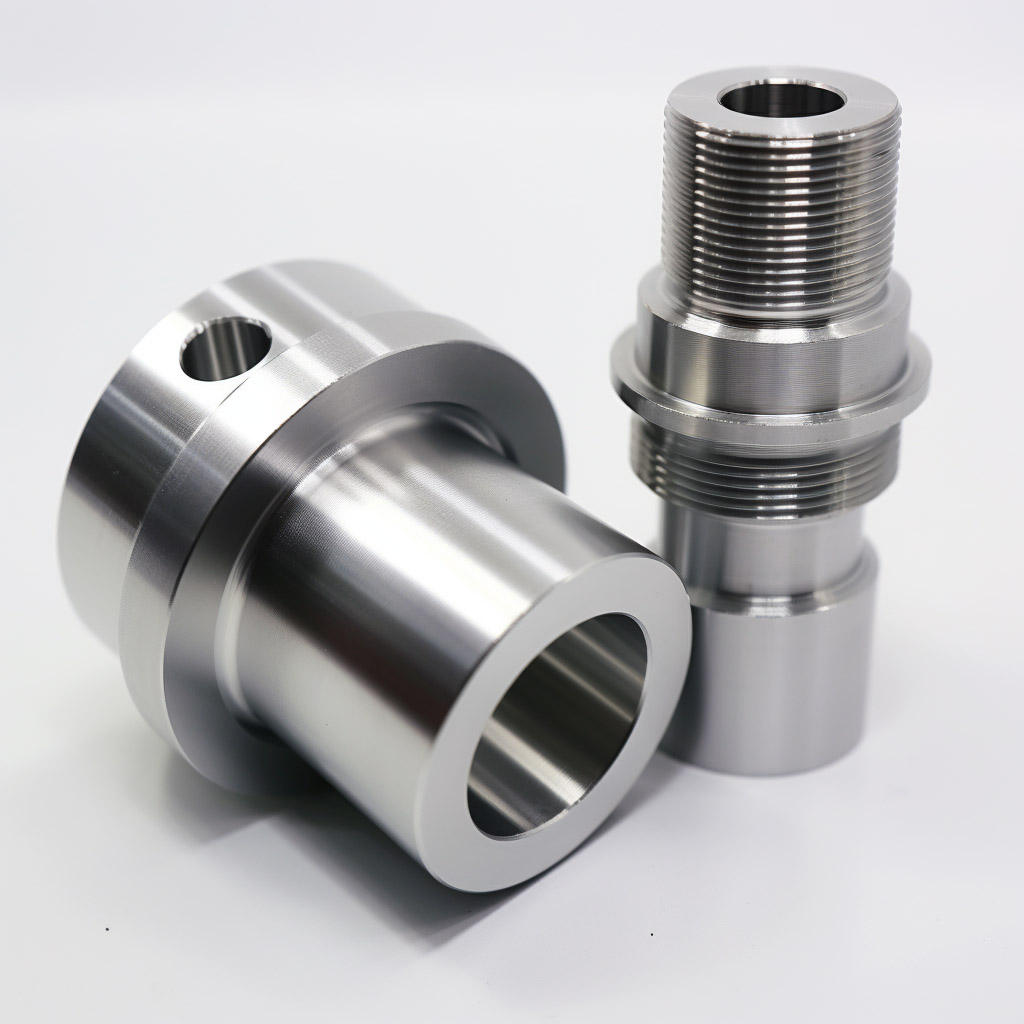
1. Why Titanium Is Used in Aerospace
Titanium is an essential material in aerospace applications due to its exceptional properties. These include:
Lightweight: Titanium has a low density (approximately 4.43 g/cm³), which helps to reduce the overall weight of aircraft, contributing to fuel efficiency.
Strength: Despite its low weight, titanium exhibits high tensile strength and resistance to fatigue, which is essential for components under high stress.
Corrosion Resistance: Titanium is highly resistant to oxidation and corrosion, making it ideal for components exposed to harsh environments, such as high-altitude pressure and extreme temperatures.
High-Temperature Stability: Titanium alloys, such as Ti-6Al-4V, can maintain their mechanical properties at high temperatures (up to 600°C).
For these reasons, titanium is a preferred choice for components like turbine blades, engine mounts, and aircraft frames.
Table 1: Properties of Common Aerospace Titanium Alloys
| Titanium Alloy | Tensile Strength | Yield Strength | Elongation | Temperature Stability | Applications |
|---|---|---|---|---|---|
| Ti-6Al-4V | 900 MPa | 830 MPa | 10–15% | 600°C | Engine parts, landing gear, airframes |
| Ti-5Al-2.5Sn | 830 MPa | 780 MPa | 12–18% | 500°C | Airframe, wing structures |
| Ti-6Al-2Sn-4Zr-6Mo | 950 MPa | 880 MPa | 8–12% | 600°C | Aerospace turbine blades |
| Ti-15V-3Cr-3Sn-3Al | 920 MPa | 850 MPa | 6–10% | 600°C | Aerospace structural applications |
As the table shows, titanium alloys provide optimal strength and performance across a range of critical aerospace applications, especially at elevated temperatures.
2. CNC Machining Challenges for Aerospace Titanium Parts
While titanium’s properties make it an excellent material choice for aerospace, its hardness, low thermal conductivity, and chemical reactivity pose significant challenges in the CNC machining process.
2.1 Tool Wear and Heat Generation
Titanium is known to generate high levels of heat during machining, which causes rapid tool wear. The hardness of titanium alloys also contributes to tool degradation, especially in materials like Inconel and Ti-6Al-4V. To combat these issues, advanced cutting tools and coolant techniques are essential.
Tooling Solutions: Tools made from CVD (Chemical Vapor Deposition) and PVD (Physical Vapor Deposition) coatings, PCD (Polycrystalline Diamond), and CBN (Cubic Boron Nitride) are often used to extend tool life.
2.2 Low Thermal Conductivity
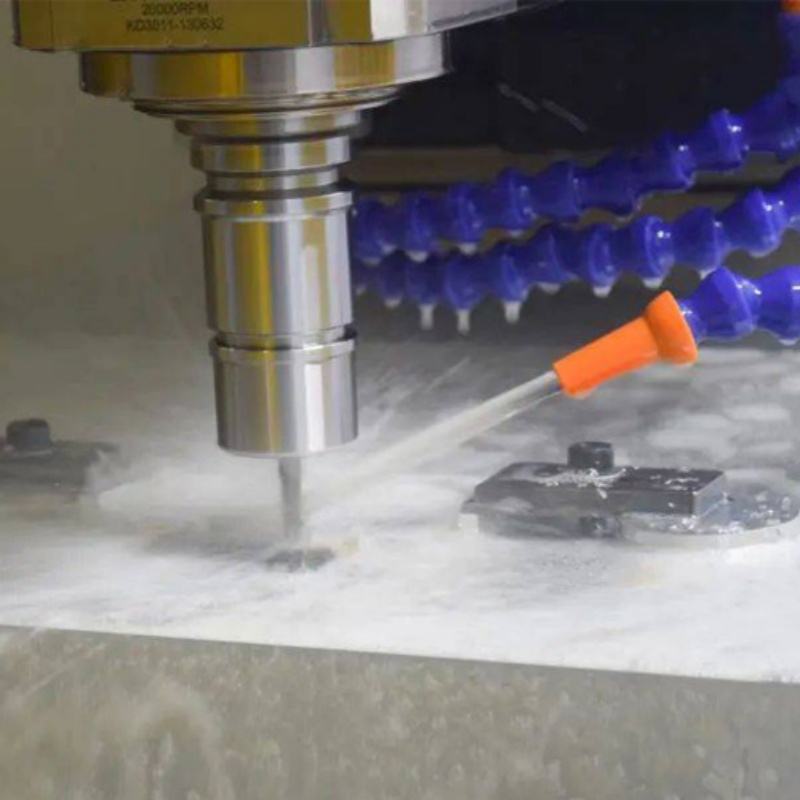
Titanium alloys have a low thermal conductivity, which means that the heat generated during machining does not dissipate quickly, leading to thermal distortion of the part. This necessitates the use of high-pressure cooling systems to cool the cutting zone efficiently.
Coolant Solutions: Minimum Quantity Lubrication (MQL) and high-pressure flood coolant are commonly employed to manage heat buildup.
2.3 Material Hardness and Surface Finish
Titanium’s hardness makes it difficult to achieve high surface quality and tight tolerances. Aerospace components often require mirror finishes or Ra values below 0.8 µm, demanding precision equipment and advanced techniques.
3. Key CNC Machining Processes for Titanium Aerospace Parts
Several CNC machining processes are used to produce aerospace-grade titanium components, each with its specific advantages depending on the part geometry and requirements.
3.1 CNC Milling
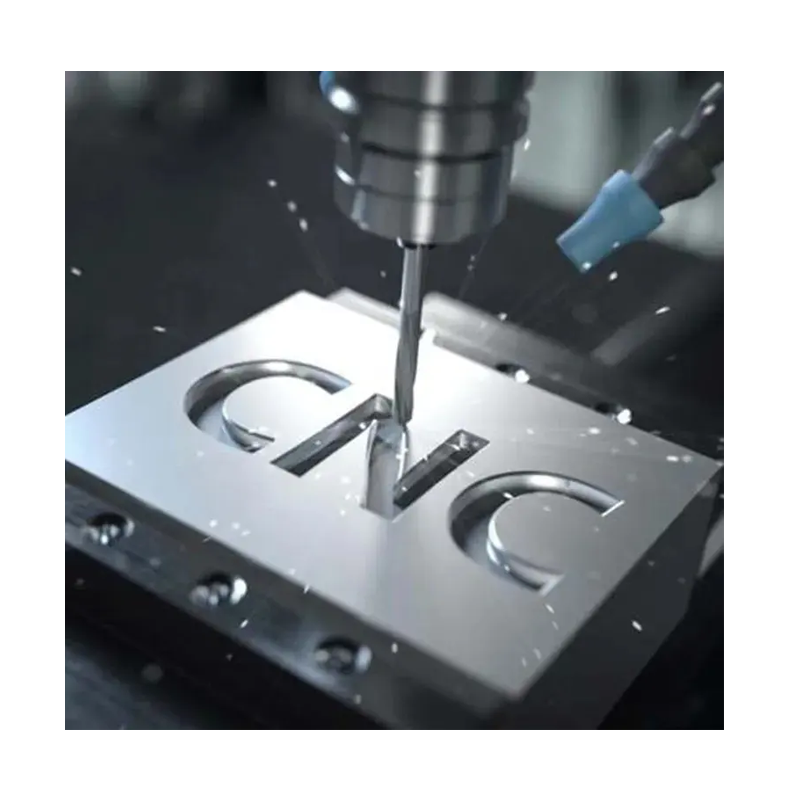
CNC milling is one of the most common methods for producing titanium parts due to its precision and versatility. 5-axis CNC machines are frequently used to create complex geometries, reducing the need for multiple setups.
3.2 CNC Turning
CNC turning is typically used for rotational aerospace components, such as engine shafts and mounting brackets. Live tooling and multi-axis turning are essential for creating the complex features required in aerospace titanium parts.
3.3 Electrical Discharge Machining (EDM)
For parts that require precise geometries and high tolerance, EDM is used, especially for complex shapes like turbine blades or drilled holes in titanium alloys.
3.4 Additive Manufacturing (3D Printing)
In some cases, additive manufacturing techniques such as laser powder bed fusion (LPBF) are used to create near-net shapes, reducing material waste and machining time. This is particularly useful for aerospace structural components that are difficult to machine traditionally.
4. Cost Considerations in Aerospace Titanium Machining
The cost of CNC machining aerospace titanium parts can be significantly higher compared to machining more common materials like aluminum and steel. Various factors contribute to this increased cost:
Material Cost: Titanium is more expensive than other metals, with raw titanium sponge costing $15–$30 per kg.
Machining Complexity: Due to the hardness and low thermal conductivity of titanium, machining requires specialized tooling, which increases tooling costs.
Machining Time: Titanium is a time-consuming material to machine, especially when producing complex geometries.
Post-Processing: Aerospace parts made from titanium often require extensive post-processing, such as heat treatment or surface finishing, further adding to the cost.
Table 2: Aerospace Titanium Machining Cost Breakdown
| Cost Factor | Estimated Percentage of Total Cost | Notes |
|---|---|---|
| Material Cost | 30%–50% | Raw titanium, alloys, and scrap |
| Machining Time | 20%–40% | Dependent on part complexity |
| Tooling and Inserts | 10%–15% | Carbide or CBN tools |
| Post-Processing | 5%–10% | Heat treatment, surface finishing |
| Setup & Overhead | 5%–10% | Labor, machine maintenance |
5. Advantages of CNC Machining Aerospace Titanium in China
China has become a global leader in CNC machining services for aerospace components due to its advanced manufacturing capabilities, skilled workforce, and cost-effective pricing. Below are some of the advantages of outsourcing aerospace titanium machining to China:
5.1 Competitive Pricing
Due to lower labor costs and established supply chains, China offers more affordable machining services compared to Western countries, while still maintaining high levels of precision.
5.2 Advanced Technology and Equipment
China is home to numerous manufacturing facilities equipped with state-of-the-art CNC machines, including 5-axis machining centers, EDM machines, and high-precision lathes.
5.3 Skilled Workforce
China has developed a highly skilled workforce in aerospace manufacturing. Engineers and technicians are trained in advanced machining and CAD/CAM programming, ensuring high-quality output for complex titanium parts.
5.4 Shorter Lead Times
Chinese manufacturers are capable of faster turnaround times due to their optimized production processes and large-scale manufacturing capabilities.
6. Best Practices for Aerospace Titanium CNC Machining
To achieve cost-efficiency and high-quality results in aerospace titanium machining, manufacturers must follow best practices tailored to the unique challenges of titanium alloys:
6.1 Tool Selection and Coatings
Use high-performance carbide tools with specialized coatings (e.g., TiAlN, AlTiN) to extend tool life and reduce wear. Tools with **PC
D or CBN** inserts are suitable for difficult-to-machine titanium alloys.
6.2 Cooling and Lubrication
Implement high-pressure coolant systems and MQL (Minimum Quantity Lubrication) to control the temperature during machining and improve cutting efficiency.
6.3 Machine Calibration and Maintenance
Regular machine calibration and maintenance are crucial to maintaining tight tolerances and achieving high surface finishes.
7. Conclusion
The aerospace industry’s demand for titanium CNC machined parts continues to grow, driven by the material's superior strength, light weight, and resistance to corrosion. However, the cost of machining titanium is higher than that of other materials due to its material properties, machining challenges, and high production costs.
Manufacturers in China have become a global hub for aerospace titanium machining services, thanks to their cost-effective pricing, advanced technologies, and skilled workforce. By leveraging state-of-the-art CNC machining equipment, optimized machining processes, and cost-effective manufacturing strategies, businesses can achieve high-quality aerospace components while managing costs.
If you are looking for precision aerospace titanium CNC machining services, consider partnering with EadeTech, a leading provider of high-quality titanium machining solutions for aerospace and other high-performance industries. For more information, visit EadeTech.
Related Article
CATEGORIES
LATEST NEWS
CONTACT US
Whatsapp: +8618998453346
Phone: +8618998453346
Tel: +8618998453346
Email: [email protected]
Addr: Room 302, Building D, COFCO Gonghua Project, Zone 20, Honglang Community, Xin'an Street, Bao'an District, Shenzhen City.