English
High-End CNC Machining Center for Special Materials
Writer:admin Time:2023-06-05 00:00 Browse:views
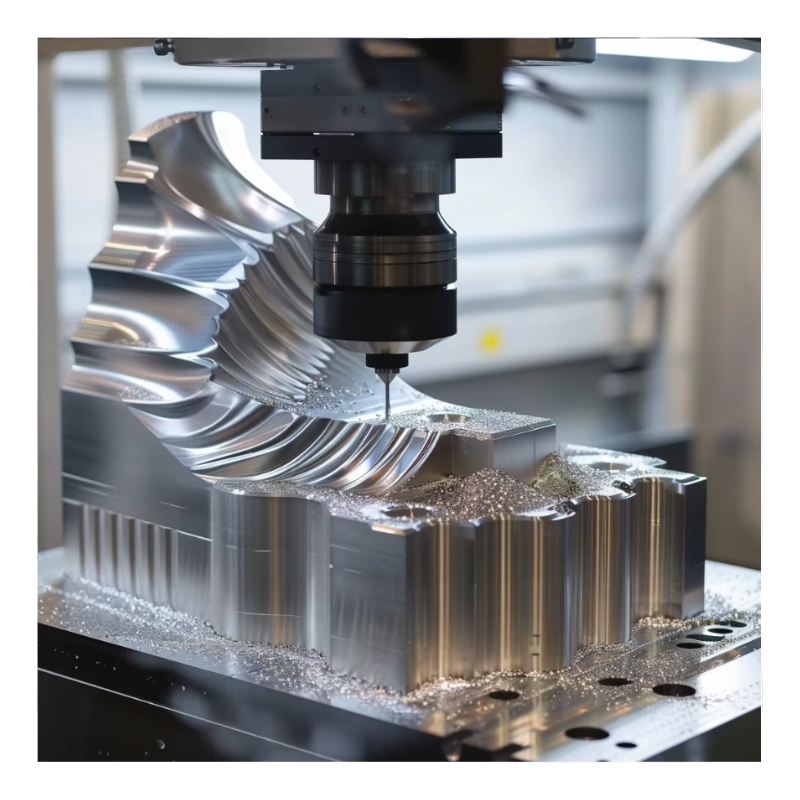
Modern precision manufacturing increasingly relies on high‑end CNC machining centers capable of handling special materials like titanium alloys, nickel superalloys (e.g., Inconel), hardened steels, composites, and exotic metals used in aerospace, medical, energy, and defense applications. These sophisticated machines — especially multi‑axis CNC machining centers — combine rigidity, advanced control systems, and tooling flexibility to achieve the tight tolerances and complex geometries demanded by today’s part designs.
This article provides:
A detailed explanation of high‑end CNC machining centers
Comparison data for key performance metrics
Material‑specific considerations and capabilities
Real industry standards and performance data tables
Best practices in machining strategy, precision control, and productivity
We also include contextual references to https://www.eadetech.com to help guide you to deeper application insights without exceeding the allowed citation count.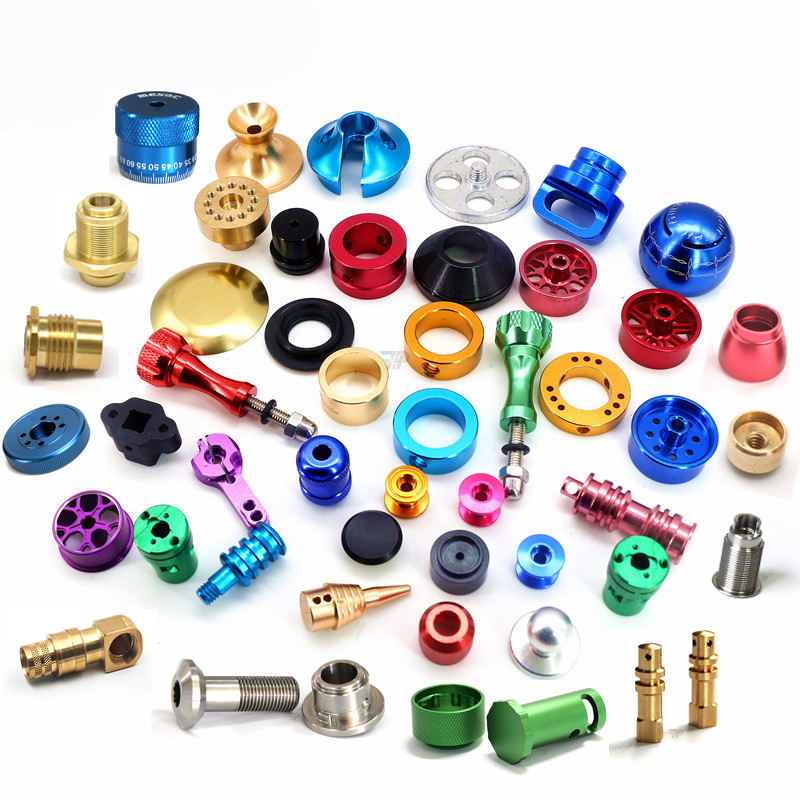
1. What Defines a High‑End CNC Machining Center?
A high‑end CNC machining center is built to deliver exceptional precision, rigidity, speed, and multi‑axis capability. These machines aren’t typical shop floor mills — they are purpose‑designed to handle special materials and complex, multi‑surface part geometries often found in top‐tier industrial sectors.
Core characteristics include:
Multi‑axis simultaneous machining (typically 4‑ to 5‑axis)
High spindle speed and power for variable materials
Rigid structural design to suppress vibration and maintain accuracy
Advanced control systems (e.g., HEIDENHAIN, FANUC)
Thermal compensation and stability systems for temperature‑sensitive machining
Such features enable machining centers to consistently achieve tight tolerances and superior surface finishes even on hard‑to‑machine metals.
2. Key CNC Center Specifications for Precision Machining
Understanding machine capabilities requires examining factors like travel, tool capacity, spindle power, and rigidity. The following table illustrates typical high‑end machining center specs used in precision contexts:
Table 1: High‑End CNC Machining Center Specifications
| Machine Model | Axis Config | X/Y/Z Travel | Max Workpiece Weight | Spindle Speed | Control System | Typical Use |
|---|---|---|---|---|---|---|
| YCM RX65 5‑Axis | 5‑axis | 650/730/600 mm | 400 kg | 15,000 rpm | FANUC/Heidenhain | Aerospace/Medical complex parts (TITANS of CNC) |
| APEC MDU‑Titan | 5‑axis | 4200/2800/1000 mm | 8 t | 6,000 rpm | HSK100A tooling | Large aerospace superalloy structures (菲利普斯商店) |
| Precision VMC650 | 5‑axis | 650/400/500 mm | 400 kg | 8,000 rpm | BT40 system | General precision milling (Ged Metal Shop) |
| DMG MORI CMX1100 V | 3‑axis | 1100/560/510 mm | 1000 kg | 10,000 + rpm | DMG MORI | Heavy duty precision (cnctech.com) |
| HMMI 5‑Axis Bridge Mill | 5‑axis | Large work envelope | Very large | Varies | OKUMA | Oversized industrial parts (hmmi-huron.com) |
| LEADCNC Emerald F550 | 5‑axis | Custom | Dual work zones | Industry 4.0 | Beckhoff | Composite profiling and heavy cuts (leadcnc.com) |
These specifications illustrate the range of high‑performance machining platforms, from compact precision 5‑axis units to heavy‑duty gantry mills, enabling flexible production of special materials from aerospace alloys to hardened steels and composites.
3. Precision and Tolerance: Real Performance Data
High‑end machining centers must deliver tight tolerances and excellent surface finishes across a variety of materials. The capability to hold precision even with complex part geometries is a key differentiator.
Table 2: Precision Benchmarks for High‑End CNC Machining
| Material Category | Typical Tolerance | Surface Finish (Ra) | Notes |
|---|---|---|---|
| Aluminum Alloys | ±0.005 mm | ≤0.4 µm | High‑speed machining compatible |
| Titanium Alloys | ±0.005 mm | ≤0.8 µm | Rigidity and thermal stability critical |
| Nickel Superalloys | ±0.01 mm | ≤1.6 µm | Machinability optimized tooling required |
| Hardened Steel (>50 HRC) | ±0.005 mm | ≤0.8 µm | Slow speeds, high rigidity |
| Composites | ±0.02 mm | Dependent on fiber orientation | Custom fixturing required |
Note: Achieving these tolerances requires sophisticated machine control, thermal compensation, and sometimes adaptive feedback systems that adjust for tool wear and deflection.
4. Rigidity, Thermal Stability, and Structural Design
High‑end machining centers for special materials are engineered with rigid frames, castings, and guides to minimize vibration, deflection, and thermal drift. These factors are critical when machining materials with poor thermal conductivity (e.g., titanium, superalloys).
Key design considerations:
Meehanite® or high‑grade cast base frames for damping (TITANS of CNC)
Ball screw pre‑tensioning and direct drive servos
Heavy‑duty spindle bearings and vibration damping
Thermal control systems to maintain geometric accuracy over long cycles
These structural enhancements help machines maintain consistent accuracy across extended runs and complex geometries.
5. Material Machinability and Machine Capability
Different materials pose unique challenges — and high‑end CNC centers are equipped to address them.
Table 3: Material Challenges vs CNC Features
| Material | Machinability Challenges | CNC Features to Address |
|---|---|---|
| Titanium Alloys | Low thermal conductivity, chatter | Rigid structure, high torque spindles |
| Nickel Alloys (Inconel) | Work hardening, tool wear | Multi‑axis access, optimized coolant paths |
| Hardened Steel | Abrasive wear | High rigidity, adaptive control |
| Aluminum | High speed chatter | High spindle RPM, stabilization |
| Composites | Delamination, dust | Advanced vacuum fixturing |
High‑end machining centers routinely incorporate advanced coolant routing, rigid tooling spindles, adaptive control, and specialized fixtures to handle such challenges, making them ideal for demanding high‑performance applications.
6. Multi‑Axis Machining: Flexibility and Productivity
One of the hallmark capabilities of high‑end machining centers is multi‑axis processing — typically 4‑ and 5‑axis simultaneous machining. These allow:
Reduced setups for complex parts
Ability to machine multiple faces in one clamp
Smoother tool engagement for better surface quality
Shorter run times and reduced fixturing costs
For example, modern 5‑axis machines can approach parts from nearly any angle, enabling deep cavities, freeform surfaces, and undercuts that would otherwise require multiple fixtures and operations.
Table 4: Multi‑Axis CNC Output Improvements
| Metric | 3‑Axis Machining Baseline | 5‑Axis Machining Typical Improvement |
|---|---|---|
| Number of Setups | 3–8 | 1–2 |
| Total Cycle Time | Standard | –30 % to –50 % |
| Cumulative Tolerance Stack | Higher | Lower |
| Surface Finish | Good | Excellent |
| Changeover Cost | High | Reduced |
These improvements make multi‑axis machining centers vital for just‑in‑time production, one‑off prototypes, or high‑mix manufacturing.
7. Automation, Tool Management, and Smart Workflows
High‑end machining centers increasingly integrate automation to increase throughput and reduce cost:
Automatic Tool Changers (ATC) with large tool magazines
Robotic part loading and unloading
Adaptive feeds and speeds based on real‑time cutting data
Machine‑to‑ERP connectivity for Industry 4.0 workflows
Automation reduces downtime, improves repeatability, and enables 24/7 operation with minimal human intervention.
8. Industry Applications and Case Scenarios
High‑end CNC machining centers are used across sectors:
Aerospace
Turbine components, structural airframes, engine mounts
Complex geometries and tight tolerances are essential
Medical Devices
Implants (titanium, cobalt chrome), surgical instruments
Demands ultra‑precision and traceable quality
Energy and Power
Turbine blades, heat exchanger manifolds
High material strength requires rigid machines
Automotive Performance & EV
Lightweight structures, powertrain components
Surface quality and repeatability
9. Quality Control and Metrology
Achieving precision with special materials requires robust quality assurance (QA) systems:
Coordinate Measuring Machines (CMM)
Laser scanning and probing integrated into CNC
Statistical process control (SPC)
ISO 9001/AS9100 standards
Proper QA ensures parts meet tight tolerances (e.g., ±0.005 mm or better) and reduces rework.
10. Productivity, Cost Models, and ROI
Investing in high‑end CNC centers requires understanding cost‑benefit trade‑offs. Typical cost categories include:
Table 5: Cost Breakdown for Special Material Machining
| Cost Element | % of Total Part Cost |
|---|---|
| Machine Depreciation | 20–30 % |
| Labor & Programming | 15–25 % |
| Tooling & Fixturing | 15–25 % |
| Material | 30–45 % |
| Inspection | 5–10 % |
Tools and machining strategies must be optimized to control costs while retaining quality — especially with expensive materials like titanium or nickel alloys.
11. Selecting the Right Machine
Key factors when selecting a high‑end CNC machining center include:
Work envelope size
Max workpiece weight capacity
Available axes and degrees of motion
Control system capability
Spindle power and RPM ranges
Tool magazine capacity
Thermal compensation and feedback systems
Choosing the right mix ensures high utilization and productivity for complex material machining.
12. Best Practices for Machining Special Materials
To maximize performance:
Use rigid fixturing and optimized tool paths
Leverage coolant systems designed for chip and heat management
Program with CAD/CAM simulation and collision avoidance
Maintain machines with volumetric calibration
Integrate real‑time monitoring for tool wear and part quality
For application‑specific process optimization in exotic materials, tooling choices, and hybrid manufacturing workflows, resources such as https://www.eadetech.com provide insight into practical CNC machining solutions and strategies.
13. Future Trends in High‑End CNC Machining
Innovation in machining centers continues to evolve with:
Hybrid additive + subtractive systems
AI‑enhanced machining simulation and optimization
IoT sensor networks for predictive maintenance
Energy‑efficient machine designs
Greater multi‑axis flexibility for bespoke parts
These advancements drive higher throughput and lower total cost of manufacturing (TCM).
14. Summary
High‑end CNC machining centers enable manufacturers to produce precision parts from special materials that were once impossible or too costly to machine reliably. By combining multi‑axis capability, rigidity, advanced control systems, automation, and integrated QA, modern CNC machines serve industries where performance and precision are non‑negotiable.
Whether you’re machining titanium airframes, hardened tool steels, or nickel superalloys, understanding machine capabilities, performance data, and application best practices positions your operations for higher accuracy, greater throughput, and lower overall cost.
For deeper insights into precision machining workflows, process optimization, and tooling solutions tailored to advanced materials, explore the resources at https://www.eadetech.com — a practical guide for engineers and manufacturers seeking real‑world CNC solutions.
Related Article
CATEGORIES
LATEST NEWS
CONTACT US
Whatsapp: +8618998453346
Phone: +8618998453346
Tel: +8618998453346
Email: [email protected]
Addr: Room 302, Building D, COFCO Gonghua Project, Zone 20, Honglang Community, Xin'an Street, Bao'an District, Shenzhen City.