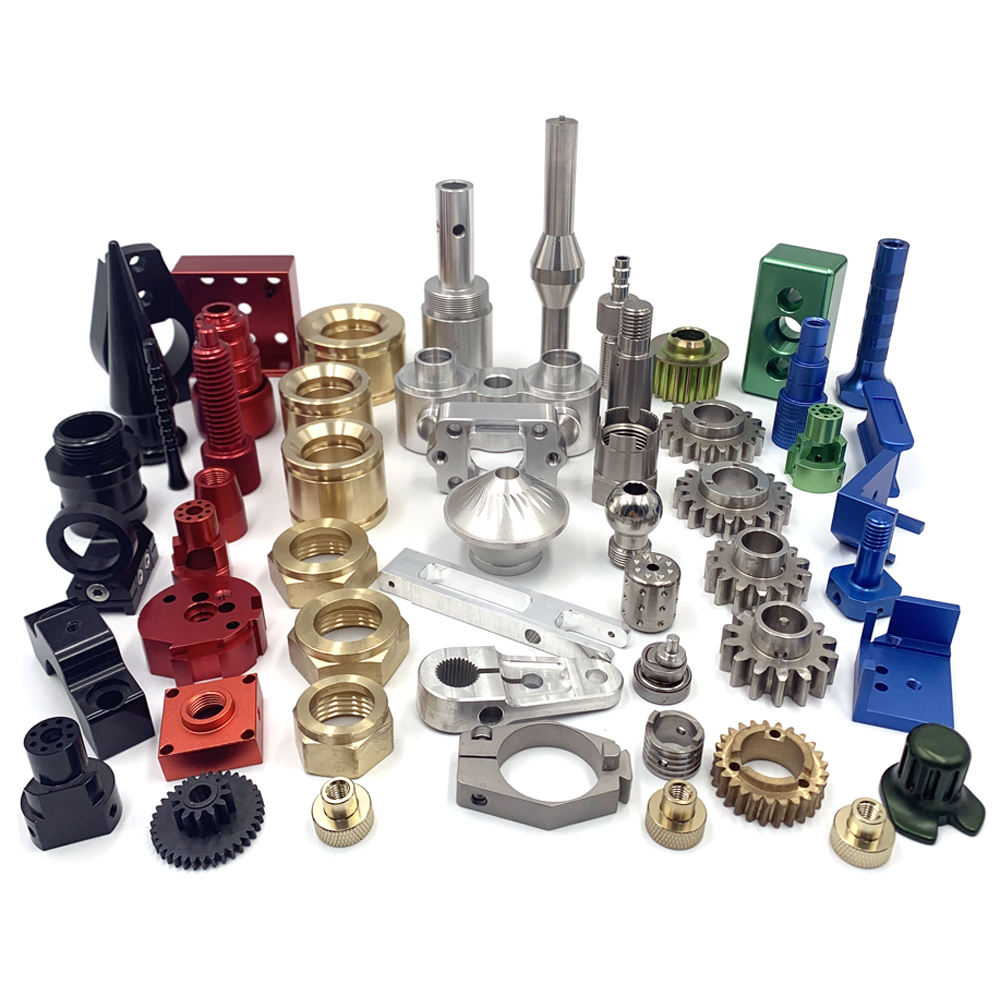
Titanium CNC Turning Parts
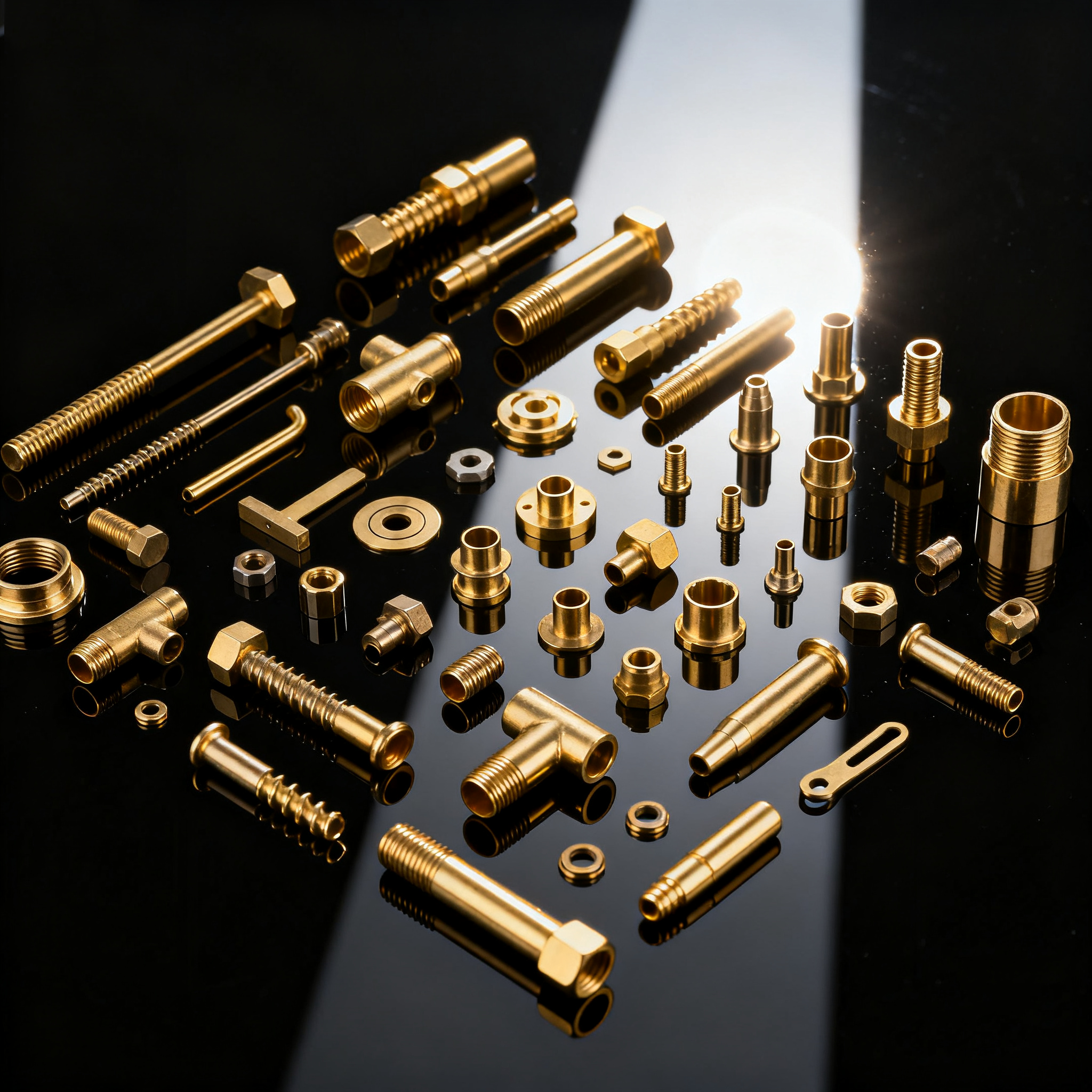
Energy Industry Titanium CNC Machining for Structural and Fluid Control Components
- Product ID: Titanium CNC Turning Parts
- Tel: +8618998453346
- WhatsApp: +8618998453346
- Tel: +8618998453346
- Email: [email protected]
- Time: 2024-06-03 00:00
- Price: 0
CNC titanium machining for precision features and assembly interfaces
Titanium milling for structural ribs, flanges, and load-bearing surfaces
Titanium turning for cylindrical housings, valve bodies, and connectors
Waterjet titanium cutting for large flat profiles and pre-cut blanks
Titanium plasma cutter parts produced for thick-section components
CMM dimensional inspection
100% visual inspection and gauge checks
Ultrasonic testing for internal defect detection
Metallographic analysis for material verification
Background: Titanium Machining in the Energy Sector
The energy industry covers a wide range of applications, including oil and gas, power generation, renewable energy systems, and advanced energy infrastructure. Many of these environments involve high pressure, corrosive media, extreme temperatures, and long service cycles. Titanium has become an increasingly important material in energy-related equipment due to its corrosion resistance, strength, and long-term stability.
In this case, the customer was an energy equipment supplier producing titanium structural and fluid control components used in offshore systems and high-efficiency energy installations. The project required titanium CNC machining combined with advanced titanium cutting processes to handle large components and complex geometries.
Titanium Materials and Machinability Challenges in Energy Applications
Energy-sector titanium parts are often produced from titanium alloys selected for corrosion resistance and mechanical durability. These materials perform well in aggressive environments but present well-known challenges during machining.
The machinability of titanium alloys is limited by low thermal conductivity and high cutting forces, especially during heavy material removal. Heat concentration at the cutting edge can lead to tool wear, surface damage, and dimensional instability if machining strategies are not carefully controlled.
To manage these issues, machining parameters were optimized based on cutting depth and tool engagement. Specialized tooling and controlled feed rates were applied to stabilize titanium milling and titanium turning operations while maintaining surface integrity.
CNC Machining and Titanium Cutting Processes
This project required a combination of CNC machining and non-traditional cutting methods to achieve both efficiency and precision.
Key processes included:
Waterjet cutting titanium was used extensively during the rough cutting stage. This cold-cutting process minimized thermal distortion and allowed thick titanium plates to be processed efficiently before CNC finishing.
For thicker sections where faster material separation was required, titanium cutting with a plasma cutter was applied. Plasma cutting allowed rapid separation while maintaining acceptable edge quality for subsequent machining operations.
Precision Control and Dimensional Accuracy
Energy equipment components often require a balance between structural robustness and precise fitment. In this case, critical dimensions were controlled within ±0.01 mm on CNC-machined features that interfaced with seals, flanges, and mating assemblies.
Large titanium parts were machined in multiple setups to manage internal stress and reduce deformation. Titanium turning operations were carefully sequenced to maintain concentricity and alignment across long components.
Final dimensional verification was conducted using CMM inspection, supported by 100% visual inspection and gauge measurement. These controls ensured that each machined titanium part met both functional and installation requirements.
Heat Treatment and Structural Stability
Heat treatment was applied selectively based on component size and function. Solution and aging processes were used to enhance mechanical stability and reduce residual stress introduced during heavy titanium machining.
For large components produced through waterjet titanium cutting and plasma cutting, stress relief treatments were applied prior to final CNC machining. This approach minimized distortion and ensured dimensional consistency during finishing operations.
Metallographic analysis was conducted to confirm uniform microstructure and validate that heat treatment processes met energy industry material standards.
Surface Treatment for Harsh Environments
Energy-sector titanium components are often exposed to corrosive fluids, saltwater, or high-humidity environments. Surface treatment selection focused on durability rather than aesthetics.
Brushing was applied to functional surfaces to achieve controlled roughness and improve sealing performance. Anodizing was used on selected parts to enhance corrosion resistance in offshore and marine energy applications.
Where additional environmental protection was required, powder coating and zinc plating were applied to non-critical external components. All surface treatments were selected to maintain compatibility with titanium material properties and long-term service conditions.
Inspection, Quality Control, and Certification
Energy equipment manufacturing requires consistent quality control and traceable inspection processes. All components in this case were produced under ISO9001:2015 and IATF16949 certified quality systems.
Inspection methods included:
Complete inspection documentation and material traceability were provided with each delivery, supporting the customer’s energy project compliance requirements.
OEM Manufacturing and Engineering Support
The project was executed under an OEM model, with the customer supplying detailed drawings and technical specifications. Engineering collaboration focused on optimizing component geometry for titanium machinability while maintaining structural performance.
Design and programming were completed using CAD and CAM systems such as SolidWorks, UG, and CATIA. Supported drawing formats included STEP, DWG, DXF, IGS, STL, and PDF. Free samples were produced during the validation stage to support system integration testing.
Broader Impact Across Energy Applications
While this case focused on structural and fluid control components, the machining strategies developed are applicable across a wide range of energy systems. Similar titanium CNC machining and titanium cutting approaches are used in hydrogen systems, thermal power plants, offshore platforms, and advanced renewable energy installations.
The ability to combine CNC machining with waterjet titanium cutting and titanium plasma cutting allows energy equipment manufacturers to handle large-scale titanium components efficiently and reliably.
Conclusion
This energy industry titanium CNC machining case demonstrates how advanced machining strategies, controlled titanium cutting processes, and rigorous inspection systems support the production of durable, high-performance components. By addressing the machinability challenges of titanium alloys and selecting appropriate cutting technologies, manufacturers can deliver reliable machined titanium parts for demanding energy environments.
Through CNC titanium machining, titanium milling, titanium turning, waterjet titanium cutting, and titanium plasma cutter parts production, energy-sector customers gain access to long-lasting solutions designed for extreme operating conditions.
RELATED PRODUCTS
CATEGORIES
LATEST NEWS
CONTACT US
Whatsapp: +8618998453346
Phone: +8618998453346
Tel: +8618998453346
Email: [email protected]
Addr: Room 302, Building D, COFCO Gonghua Project, Zone 20, Honglang Community, Xin'an Street, Bao'an District, Shenzhen City.