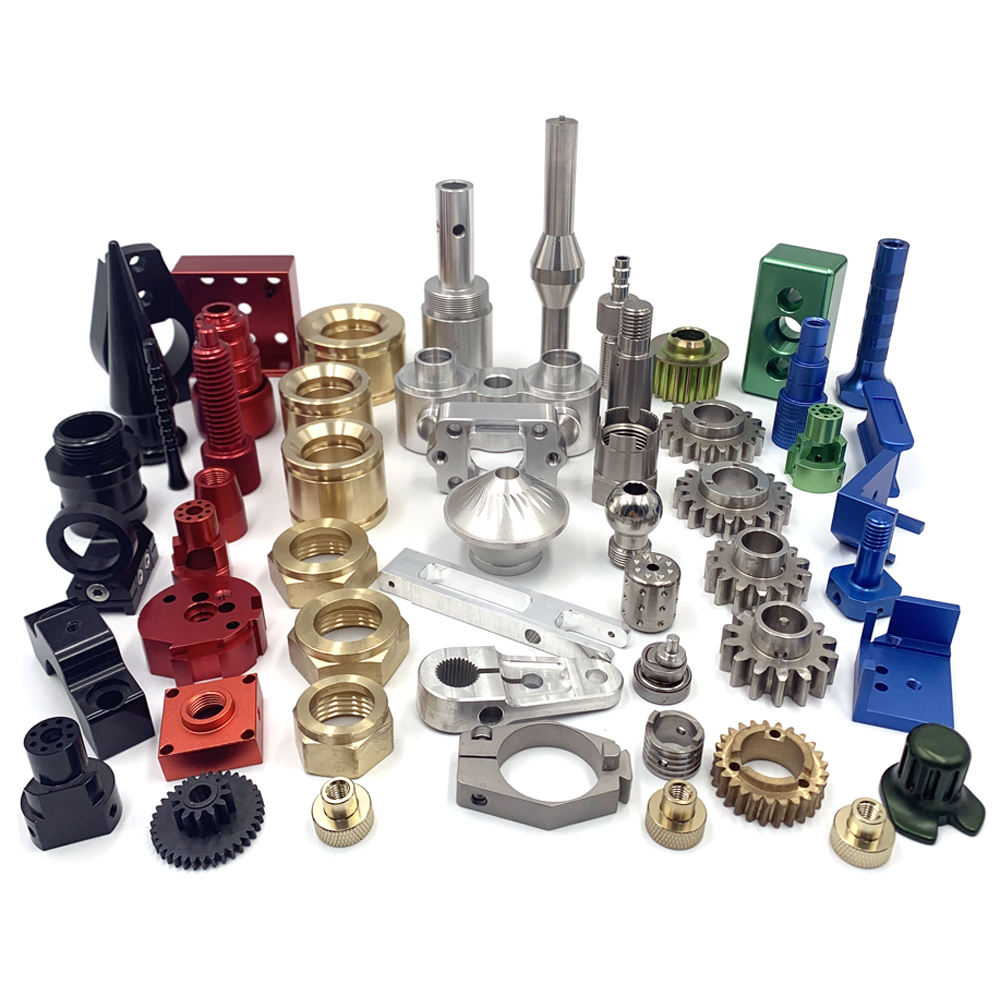
Titanium CNC Turning Parts
Plasma Cutting and CNC Machining of Thick Titanium for Large Structural Components
- Product ID: Titanium CNC Turning Parts
- Tel: +8618998453346
- WhatsApp: +8618998453346
- Tel: +8618998453346
- Email: [email protected]
- Time: 2024-06-17 00:00
- Price: 0
Controlled cutting speed to minimize heat input
Proper shielding to reduce surface contamination
Allowance for post-cut machining stock
Titanium milling for planar surfaces, pockets, and structural ribs
Titanium turning for cylindrical interfaces and alignment features
Secondary drilling and finishing operations for assembly points
CMM dimensional inspection of critical features
Ultrasonic testing to detect internal defects
100% visual inspection and gauge measurement
Metallographic analysis for material verification
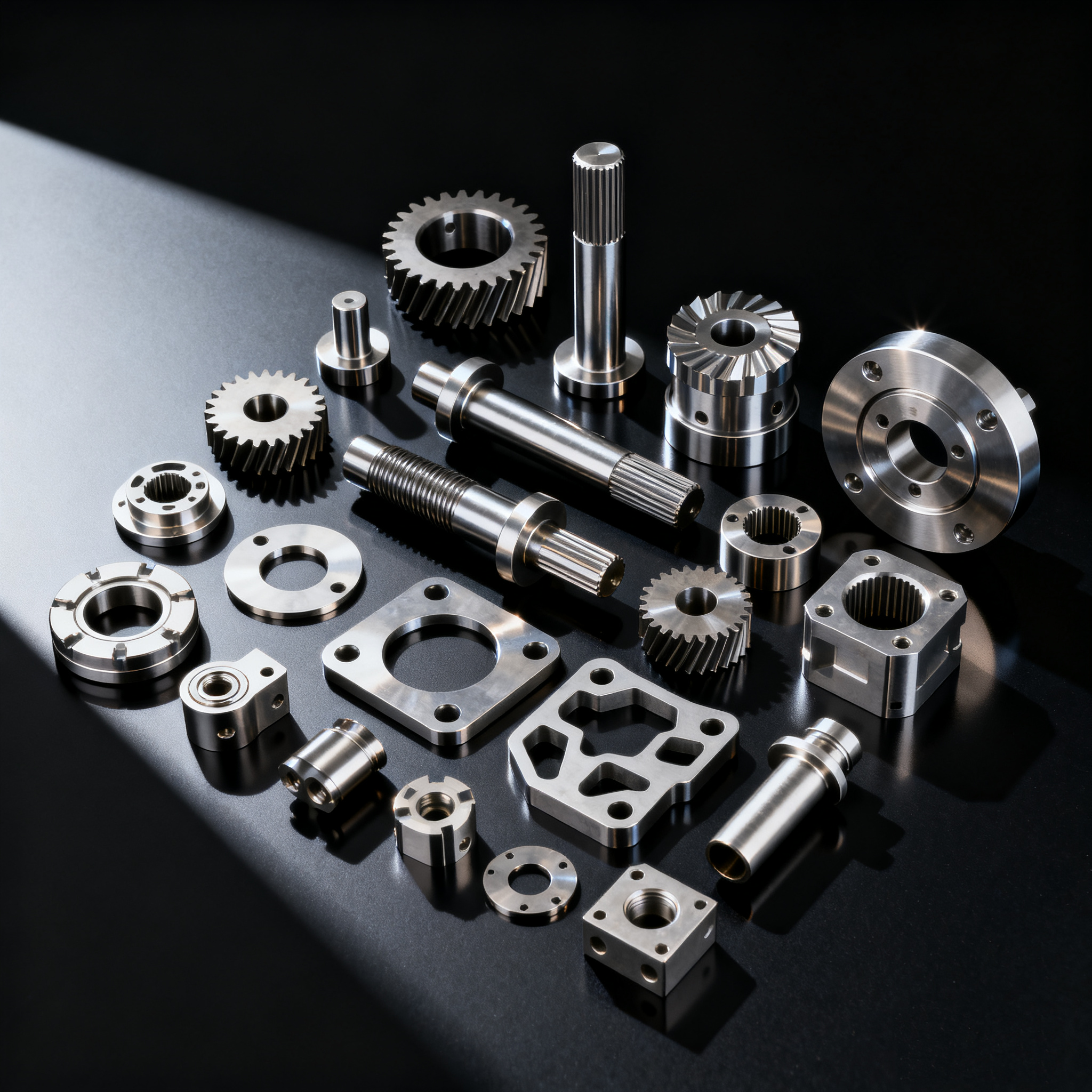 Background: Thick Titanium Components in Heavy-Duty Applications
Large structural components made from titanium are increasingly used in heavy-duty industrial, energy, and infrastructure-related applications. These parts often involve thick titanium plates or billets that must withstand high loads, corrosion, and long service cycles. Compared with thin or small titanium parts, thick-section titanium presents additional challenges in both cutting and machining.
In this case, the customer was a heavy equipment manufacturer producing large titanium structural components used in load-bearing frames and pressure-resistant assemblies. The project required a combination of titanium plasma cutting and CNC titanium machining to efficiently process thick titanium material while maintaining dimensional accuracy.
Titanium Material Characteristics and Machinability Challenges
Thick titanium sections amplify the inherent machinability challenges of titanium alloys. The low thermal conductivity of titanium causes heat to concentrate at the cutting zone, while high material strength increases cutting forces during machining.
When cutting titanium with a plasma cutter, thermal input must be carefully controlled to avoid excessive heat-affected zones. Improper plasma cutting parameters can lead to hardened edges, surface oxidation, or dimensional distortion, which complicates downstream CNC machining.
To address these challenges, cutting and machining processes were planned as a coordinated workflow rather than independent steps.
Titanium Plasma Cutting for Rough Material Separation
Titanium plasma cutting was selected for rough separation of thick titanium plates due to its speed and ability to handle large material thicknesses efficiently. Compared to mechanical cutting, plasma cutting allowed rapid processing of oversized blanks with acceptable edge quality for subsequent machining.
Key considerations during plasma cutting included:
Titanium plasma cutter parts produced at this stage served as near-net-shape blanks, reducing material waste and machining time.
CNC Titanium Machining of Plasma-Cut Components
After plasma cutting, the components underwent CNC titanium machining to achieve final geometry and precision features. Machining focused on removing the heat-affected layer created during plasma cutting and restoring material integrity at functional surfaces.
CNC machining processes included:
Machining strategies emphasized stable cutting conditions and progressive material removal to manage tool wear and heat generation.
Tolerance Control and Dimensional Stability
Despite the large size and thickness of the components, tight tolerance control was required on critical features. Key dimensions were held within ±0.01 mm on machined interfaces that connected to adjacent assemblies.
Large titanium parts were machined in multiple setups to reduce distortion. Stress relief steps were introduced between rough and finish machining to improve dimensional stability.
Final dimensional inspection was conducted using CMM systems, supported by 100% visual inspection and gauge checks.
Heat Treatment and Stress Relief
Heat treatment played a critical role in managing residual stress introduced during plasma cutting and heavy machining. Solution and aging processes were applied to stabilize mechanical properties, while stress relief treatments minimized distortion during final machining.
Metallographic analysis confirmed that heat treatment restored uniform microstructure in plasma-cut zones and ensured consistent material performance across the entire component.
Surface Treatment for Structural Titanium Parts
Surface treatment requirements for large structural titanium components focused on durability rather than appearance. Brushing was applied to functional surfaces to improve contact consistency and assembly performance.
For components exposed to harsh environments, anodizing was used to enhance corrosion resistance. Powder coating and zinc plating were applied selectively to non-critical external areas where additional protection was required.
All surface treatments were selected to remain compatible with titanium material properties and long-term service conditions.
Inspection, Quality Control, and Certification
Large titanium components require rigorous inspection due to their high functional importance and production cost. All machining and cutting processes in this case were performed under ISO9001:2015 and IATF16949 certified quality systems.
Inspection methods included:
Complete inspection documentation and traceability were provided with each delivery.
OEM Manufacturing and Engineering Support
This project was completed under an OEM model. The customer provided structural drawings and performance specifications, while engineering support focused on optimizing cutting allowances and machining sequences.
CAD and CAM systems such as SolidWorks, UG, and CATIA were used to plan plasma cutting paths and CNC machining operations. Supported drawing formats included STEP, DWG, DXF, IGS, STL, and PDF.
Free samples and trial components were produced during the validation phase to confirm assembly compatibility and structural performance.
Applications of Thick Titanium Plasma Cutting and Machining
The combined use of titanium plasma cutting and CNC machining is widely applied in energy systems, heavy industrial equipment, offshore structures, and large mechanical assemblies. These processes enable manufacturers to efficiently handle thick titanium material while maintaining precision where it matters most.
For titanium machining companies serving heavy-duty sectors, plasma cutting capabilities are essential for managing large-scale titanium projects.
Conclusion
This case demonstrates how titanium plasma cutting and CNC titanium machining can be effectively combined to produce large, thick-section structural components. By controlling heat input during cutting and applying stable machining strategies, manufacturers can overcome the challenges associated with machining of titanium alloys.
Through titanium cutting with a plasma cutter, CNC titanium machining, titanium milling, and titanium turning, heavy-duty customers gain access to reliable, high-strength machined titanium parts designed for demanding applications.
RELATED PRODUCTS
CATEGORIES
LATEST NEWS
CONTACT US
Whatsapp: +8618998453346
Phone: +8618998453346
Tel: +8618998453346
Email: [email protected]
Addr: Room 302, Building D, COFCO Gonghua Project, Zone 20, Honglang Community, Xin'an Street, Bao'an District, Shenzhen City.