Titanium CNC Turning Parts
Waterjet Cutting and CNC Machining of Titanium for Distortion-Free Precision Parts
- Product ID: Titanium CNC Turning Parts
- Tel: +8618998453346
- WhatsApp: +8618998453346
- Tel: +8618998453346
- Email: [email protected]
- Time: 2024-04-15 00:00
- Price: 0
Flat profiles with complex contours
Internal cutouts and slots
Precision outlines for structural and mounting components
Titanium milling for pockets, steps, and precision surfaces
Titanium turning for cylindrical features and interfaces
Secondary drilling and finishing operations
CMM dimensional inspection
100% visual inspection and gauge checks
Metallographic analysis where required
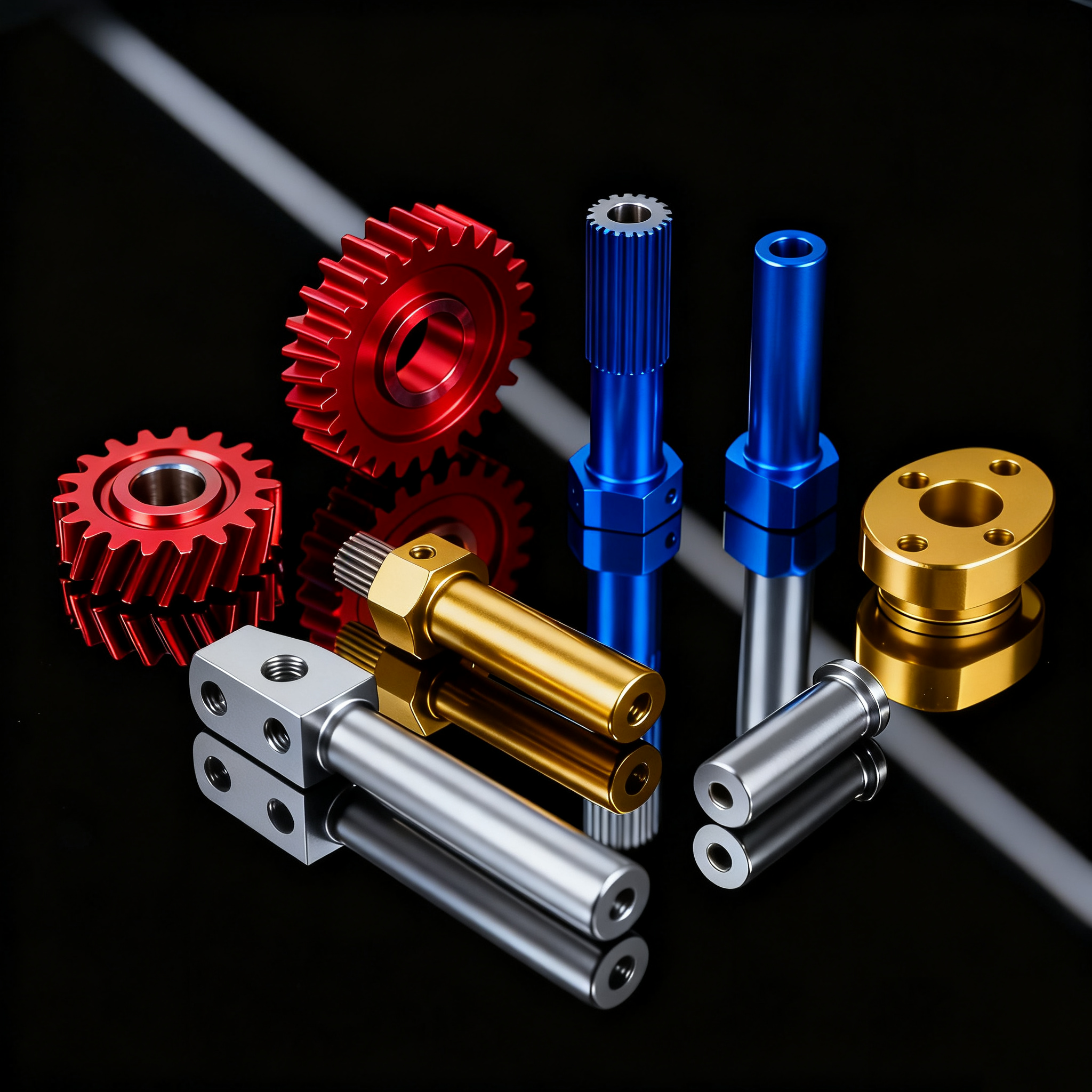
Background: Why Waterjet Cutting Is Critical for Titanium Processing
Titanium is highly sensitive to heat during cutting and machining. Processes that introduce excessive thermal input can cause surface oxidation, internal stress, and dimensional distortion, especially on thin or precision-critical components. For this reason, waterjet cutting has become an important technology in titanium machining workflows.
In this case, the customer was a precision equipment manufacturer producing titanium components used in aerospace fixtures, energy systems, and high-accuracy industrial assemblies. The project required distortion-free cutting of titanium plates and profiles before CNC finishing, making waterjet titanium cutting the preferred solution.
Titanium Material Characteristics and Cold-Cutting Advantages
Titanium alloys offer excellent strength and corrosion resistance but exhibit poor thermal conductivity. During traditional thermal cutting processes, heat tends to concentrate near the cutting zone, affecting material properties.
Waterjet titanium cutting is a cold-cutting process that eliminates heat-affected zones entirely. This makes it particularly suitable for titanium parts that require stable mechanical properties and tight tolerances.
By avoiding thermal input, waterjet cutting preserved the original material structure, reducing the need for stress relief and minimizing dimensional variation during subsequent CNC titanium machining.
Jet Cutting Speed for Titanium Optimization
Jet cutting speed for titanium is a critical parameter that directly affects edge quality, cutting accuracy, and overall efficiency. Cutting too fast can result in incomplete penetration or rough edges, while excessively slow speeds reduce productivity.
In this project, cutting speed was optimized based on material thickness, alloy type, and part geometry. Abrasive flow rate and water pressure were carefully adjusted to achieve clean cuts with minimal taper.
Optimized jet cutting speed for titanium ensured consistent edge quality while maintaining efficient production throughput.
Waterjet Titanium Cutting for Near-Net-Shape Blanks
Waterjet cutting titanium was used to produce near-net-shape blanks from titanium plates. These blanks closely matched the final geometry, significantly reducing CNC machining time and material waste.
Typical waterjet-cut features included:
Because waterjet cutting introduced no thermal distortion, parts remained flat and dimensionally stable, simplifying fixture setup during CNC machining.
CNC Titanium Machining After Waterjet Cutting
Following waterjet cutting, components underwent CNC titanium machining to achieve final dimensions and functional features.
Machining processes included:
Machining allowances were minimal due to the accuracy of waterjet cutting, enabling efficient finishing passes and improved tool life.
Tolerance Control and Dimensional Accuracy
The combination of waterjet cutting and CNC machining allowed tight tolerance control across all critical features. Finished dimensions were controlled within ±0.01 mm on functional surfaces.
Dimensional inspection was performed using CMM systems, supported by gauge measurement and 100% visual inspection. Particular attention was given to edge quality and flatness on waterjet-cut surfaces prior to machining.
Surface Quality and Post-Processing
Waterjet cutting produces a clean edge without thermal damage, but surface roughness varies depending on cutting speed and material thickness. In this case, finishing passes during CNC machining were used to refine functional surfaces where required.
For non-critical edges, waterjet-cut finishes were accepted directly, reducing unnecessary machining time. This selective finishing approach improved overall efficiency without compromising quality.
Heat Treatment and Stress Management
Because waterjet titanium cutting introduces no thermal stress, heat treatment requirements were reduced compared to thermal cutting methods. Stress relief was applied selectively after CNC machining for components with tight flatness or alignment requirements.
Metallographic analysis confirmed that waterjet cutting preserved the original microstructure of the titanium material.
Inspection, Quality Control, and Certification
All cutting and machining processes in this case were performed under ISO9001:2015 and IATF16949 certified quality systems.
Inspection procedures included:
Complete inspection documentation and material traceability were provided to support customer quality and compliance requirements.
OEM Support and Engineering Collaboration
The project was executed under an OEM model. The customer provided CAD drawings and performance requirements, while engineering support focused on optimizing cutting layouts and machining allowances.
CAD and CAM systems such as SolidWorks, UG, and CATIA were used to plan waterjet cutting paths and CNC machining operations. Supported drawing formats included STEP, DWG, DXF, IGS, STL, and PDF.
Free samples were produced during the validation phase to support functional testing and assembly verification.
Applications of Waterjet Titanium Cutting
Waterjet titanium cutting is widely used across industries where thermal distortion must be avoided. Aerospace components, energy systems, robotics frames, and precision industrial equipment all benefit from cold-cut titanium processing.
For titanium machining companies, waterjet capability expands design flexibility and improves efficiency when handling complex titanium profiles.
Conclusion
This case demonstrates how waterjet cutting and CNC titanium machining can be combined to produce high-precision titanium components without thermal distortion. By optimizing jet cutting speed for titanium and integrating efficient finishing strategies, manufacturers can achieve excellent dimensional accuracy and surface quality.
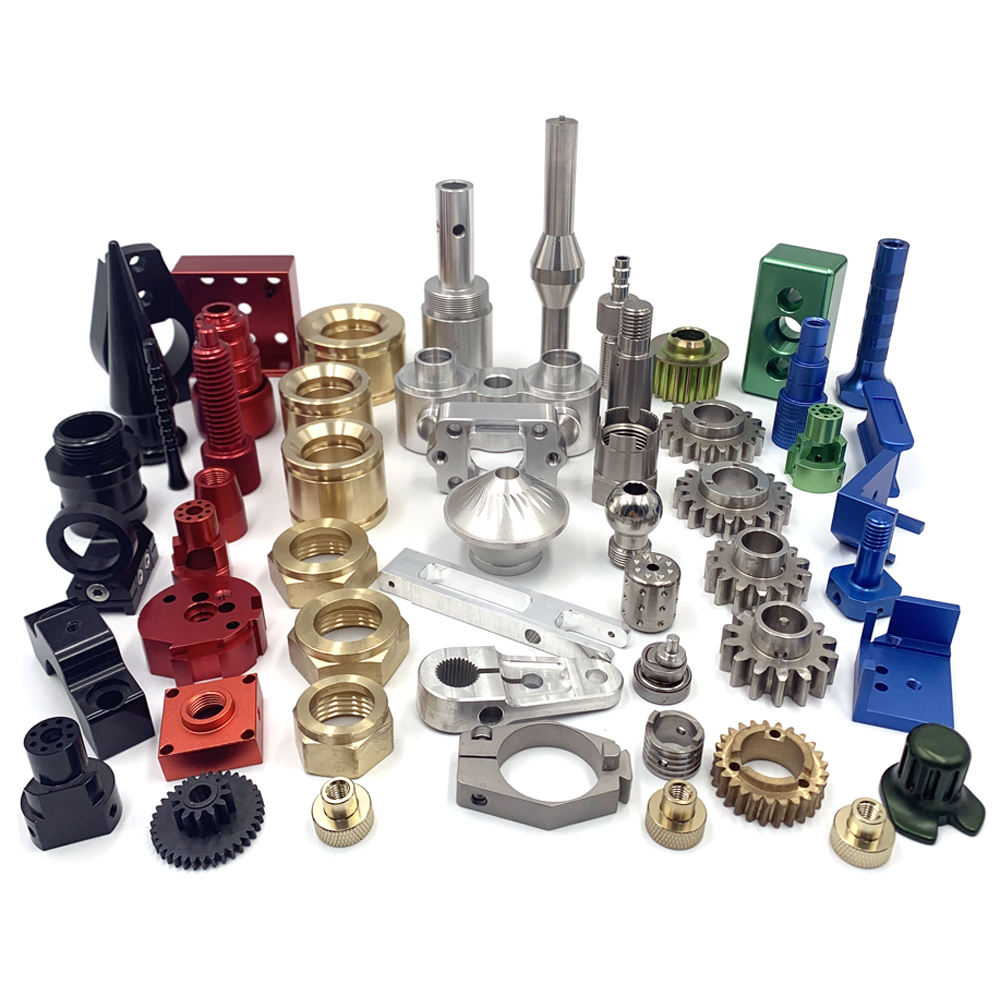
Through waterjet titanium cutting, CNC titanium machining, titanium milling, and titanium turning, customers gain access to reliable machined titanium parts suitable for demanding applications.
RELATED PRODUCTS
CATEGORIES
LATEST NEWS
CONTACT US
Whatsapp: +8618998453346
Phone: +8618998453346
Tel: +8618998453346
Email: [email protected]
Addr: Room 302, Building D, COFCO Gonghua Project, Zone 20, Honglang Community, Xin'an Street, Bao'an District, Shenzhen City.