Titanium CNC Turning Parts
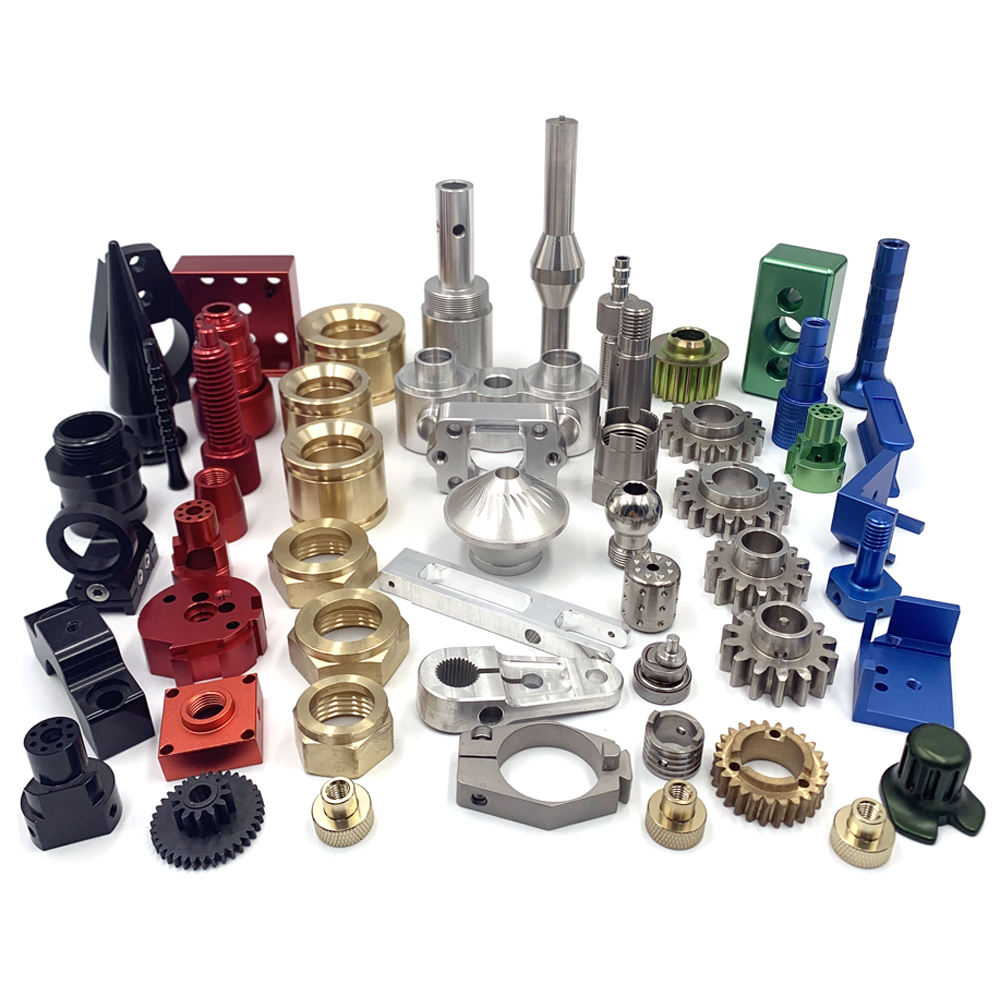
Precision Titanium Turning and CNC Lathe Machining for High-Tolerance Components
- Product ID: Titanium CNC Turning Parts
- Tel: +8618998453346
- WhatsApp: +8618998453346
- Tel: +8618998453346
- Email: [email protected]
- Time: 2023-06-07 00:00
- Price: 101
Rapid tool wear
Heat concentration at the cutting edge
Chip control during continuous turning
Selecting appropriate cutting inserts for titanium turning
Controlling feed rates to reduce heat buildup
Applying high-pressure coolant to evacuate chips
External diameter turning
Internal boring and precision ID control
Facing and chamfering
Thread turning for functional interfaces
CMM inspection for critical dimensions
Roundness and concentricity measurement
Surface finish evaluation
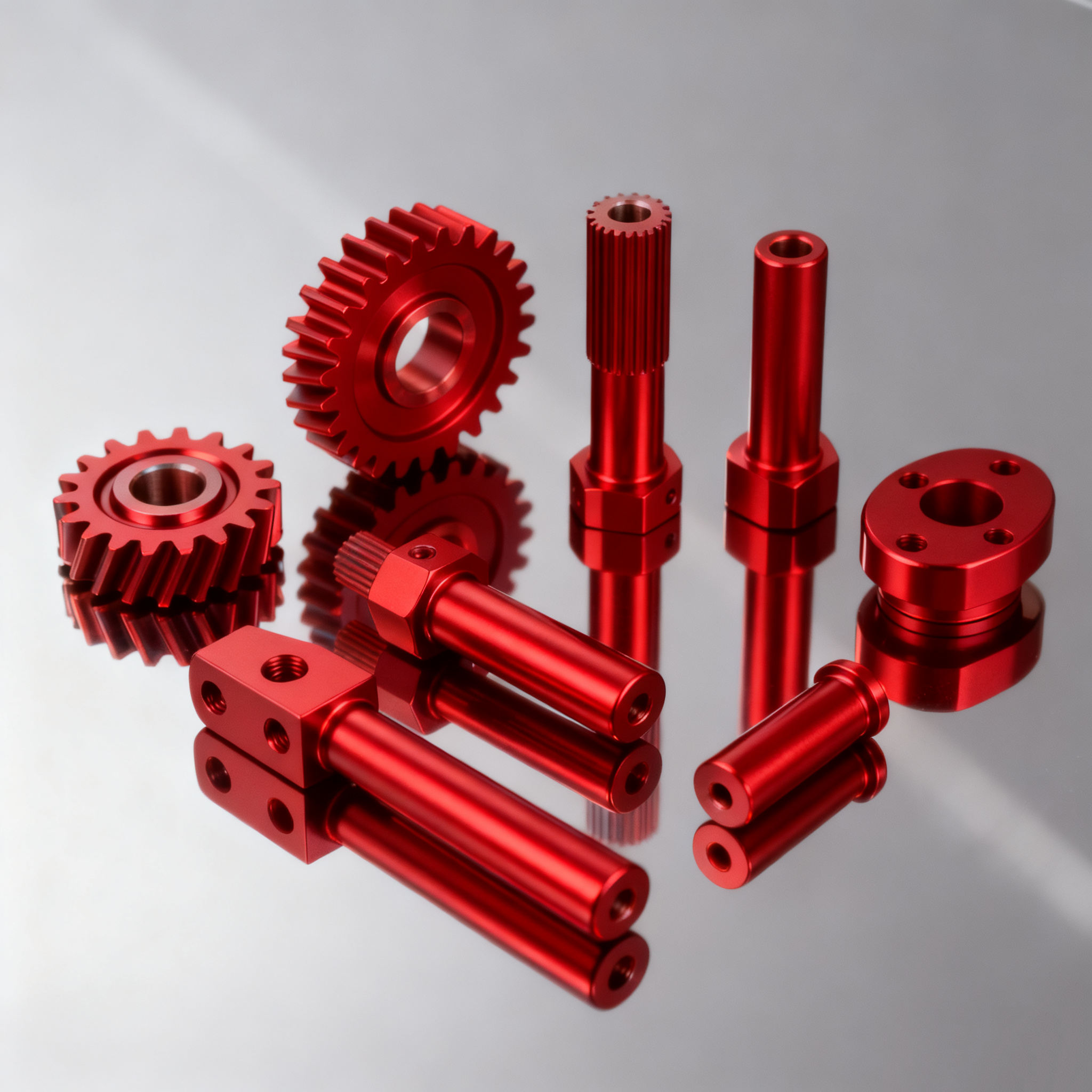
Background: Why Titanium Turning Requires Specialized CNC Control
Titanium turning presents unique challenges due to the material’s high strength, low thermal conductivity, and tendency to work harden. These characteristics demand precise CNC control, optimized cutting parameters, and rigid lathe setups.
In this case, the customer required high-precision cylindrical titanium components used in aerospace fixtures and industrial equipment. Concentricity, surface finish, and dimensional consistency were critical, making CNC titanium turning the primary manufacturing process.
Titanium Alloy Selection and Machinability Considerations
The project involved machining of titanium alloys selected for strength-to-weight performance and corrosion resistance. While titanium offers excellent mechanical properties, machinability of titanium alloys is significantly lower than that of steel or aluminum.
Key challenges included:
To address these issues, cutting parameters were optimized to balance tool life and surface quality.
CNC Titanium Lathe Setup and Process Stability
Titanium lathe machining requires high rigidity and precise spindle control. In this case, CNC lathes equipped with high-torque spindles and vibration-dampened tool holders were used.
Process stability was achieved by:
These measures ensured consistent results across batch production.
Titanium Turning Operations and Features
Titanium turning operations included:
All critical diameters were machined in a single setup to minimize runout and improve concentricity.
Surface Finish and Dimensional Accuracy
Surface finish requirements were a major focus in this case. Finished components required smooth, uniform surfaces suitable for sealing and bearing interfaces.
Through controlled titanium turning parameters, surface roughness targets were consistently achieved without secondary polishing. Dimensional tolerances were maintained within ±0.01 mm on key diameters.
Precision titanium machining was verified through in-process measurement and final inspection.
Integration with CNC Titanium Machining
Although turning was the primary process, some components required secondary CNC titanium machining operations such as milling of flats, slots, or keyways.
These features were completed using multi-axis CNC systems after lathe machining. Accurate datum transfer between turning and milling operations ensured alignment and positional accuracy.
Tool Life Management and Productivity Optimization
Machining titanium alloys places significant demands on cutting tools. Tool wear was monitored closely, and insert replacement schedules were established based on cutting time rather than visual wear alone.
Optimized tool paths and conservative depth-of-cut strategies improved productivity while maintaining stable machining conditions. This approach reduced scrap rates and ensured consistent quality.
Inspection and Quality Control
Quality control for titanium turning included:
All machined titanium parts were inspected under ISO-certified quality systems. Complete inspection records and material traceability documentation were provided.
OEM Manufacturing and Engineering Support
The project followed an OEM manufacturing model. Customer-supplied drawings defined functional requirements, while engineering support focused on improving manufacturability and process efficiency.
CAD and CAM tools such as SolidWorks, UG, and CATIA were used for programming CNC titanium turning operations. Supported file formats included STEP, IGS, DWG, DXF, STL, and PDF.
Sample validation was completed before mass production to confirm fit, function, and performance.
Applications of Titanium Turning
Titanium turning is widely used for producing shafts, bushings, connectors, and cylindrical structural components. Industries such as aerospace, energy, and precision equipment manufacturing rely on CNC titanium lathe machining for consistent, high-quality results.
For titanium machining companies, advanced turning capability is essential for producing reliable machined titanium parts.
Conclusion
This case highlights how precision titanium turning and CNC titanium lathe machining enable the production of high-tolerance cylindrical components. By addressing machinability of titanium alloys through optimized cutting strategies, manufacturers can achieve excellent surface finish, dimensional accuracy, and repeatability.
Through titanium turning, CNC titanium machining, and precision titanium machining, customers receive machined titanium parts ready for demanding industrial applications.
RELATED PRODUCTS
CATEGORIES
LATEST NEWS
CONTACT US
Whatsapp: +8618998453346
Phone: +8618998453346
Tel: +8618998453346
Email: [email protected]
Addr: Room 302, Building D, COFCO Gonghua Project, Zone 20, Honglang Community, Xin'an Street, Bao'an District, Shenzhen City.