Titanium CNC Turning Parts
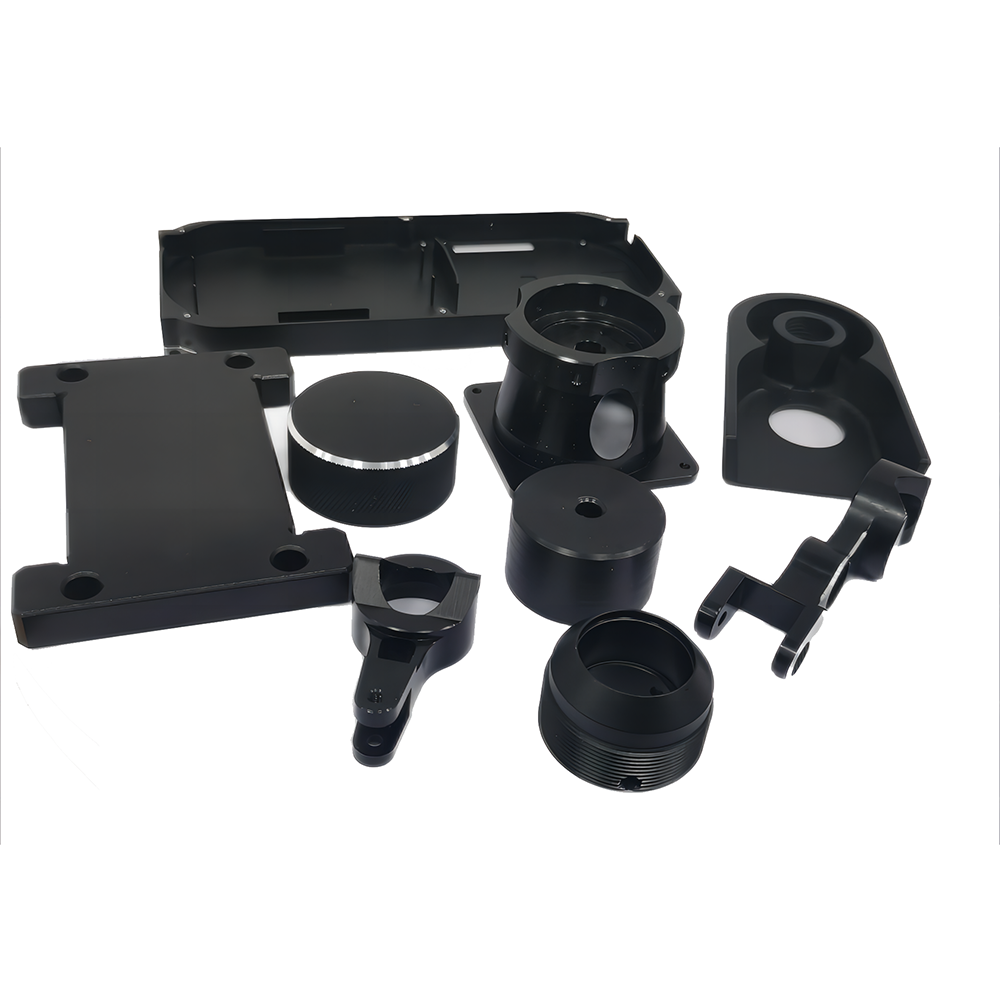
TIG Welding and CNC Titanium Machining for Aerospace Assemblies
- Product ID: Titanium CNC Turning Parts
- Tel: +8618998453346
- WhatsApp: +8618998453346
- Tel: +8618998453346
- Email: [email protected]
- Time: 2024-09-01 00:36
- Price: 0
TIG welder titanium processes were used to minimize heat-affected zones
High-purity shielding gas prevented oxidation and contamination
Pre-machining was optimized to allow proper weld fit-up
Titanium milling for flanges, pockets, and ribs
Titanium turning for cylindrical alignment features
Drilling for bolt holes and attachment points
Arc control to prevent overheating
Gas shielding coverage to avoid oxidation
Controlled weld bead geometry for uniform strength
Critical mating surfaces
Alignment features
Mounting points
Visual inspection of welds
CMM verification of post-weld dimensions
Gauge checks and functional fit tests
Optimizing CNC machining sequences for weld fit-up
Selecting TIG welding parameters for different titanium alloys
Planning post-weld machining and finishing
Aerospace structural assemblies
Turbine components
Precision aerospace fixtures
Background: Aerospace Assembly Requirements
Aerospace assemblies demand extreme precision, structural integrity, and corrosion resistance. Titanium components in these assemblies often combine complex machined features with welded joints. TIG welding titanium is widely used for its precision, low heat input, and ability to maintain material properties.
In this case, the customer was producing aerospace structural assemblies composed of machined titanium components joined via TIG welding. The project required careful integration of CNC titanium machining and TIG welding processes to achieve dimensional accuracy, surface quality, and reliable joints.
Material Selection and Welding Considerations
Titanium alloys used in aerospace applications provide a high strength-to-weight ratio and excellent corrosion resistance. However, welding titanium requires strict control:
Machinability of titanium alloys was considered alongside weldability to avoid distortion during post-weld finishing.
CNC Titanium Machining of Components
Before welding, components were produced using CNC titanium machining, including:
All machined titanium parts were inspected for dimensional accuracy and surface quality before welding.
TIG Welding Titanium for Precision Joints
TIG welding titanium was applied for high-precision, critical joints. Key process considerations included:
Titanium welder parts were fabricated with tight tolerances to allow post-weld CNC machining if required.
Post-Weld Machining and Finishing
After welding, assemblies underwent CNC machining to restore:
Titanium milling and titanium turning were used as finishing operations, maintaining ±0.01 mm tolerances for aerospace requirements.
Heat Treatment and Stress Relief
Post-weld stress relief and selective heat treatment stabilized the assemblies, reducing residual stresses introduced during welding. Metallographic analysis confirmed no adverse effects on the titanium microstructure.
Inspection and Quality Assurance
Inspection procedures included:
All processes were carried out under ISO9001:2015 and IATF16949 certified systems with complete traceability.
OEM Support and Engineering Collaboration
The project was executed under an OEM model. Engineering support focused on:
CAD/CAM tools such as SolidWorks, UG, and CATIA were used. Supported drawing formats included STEP, DWG, DXF, IGS, STL, and PDF. Prototype assemblies were validated prior to production.
Applications in Aerospace
TIG welding titanium combined with CNC machining is widely used in:
This approach ensures strong, corrosion-resistant joints while maintaining tight dimensional tolerances.
Conclusion
This case demonstrates the integration of TIG welding titanium and CNC machining to produce high-precision aerospace assemblies. By controlling welding parameters, machining sequences, and post-weld finishing, manufacturers deliver reliable, structurally sound, and dimensionally accurate titanium components.
RELATED PRODUCTS
CATEGORIES
LATEST NEWS
CONTACT US
Whatsapp: +8618998453346
Phone: +8618998453346
Tel: +8618998453346
Email: [email protected]
Addr: Room 302, Building D, COFCO Gonghua Project, Zone 20, Honglang Community, Xin'an Street, Bao'an District, Shenzhen City.