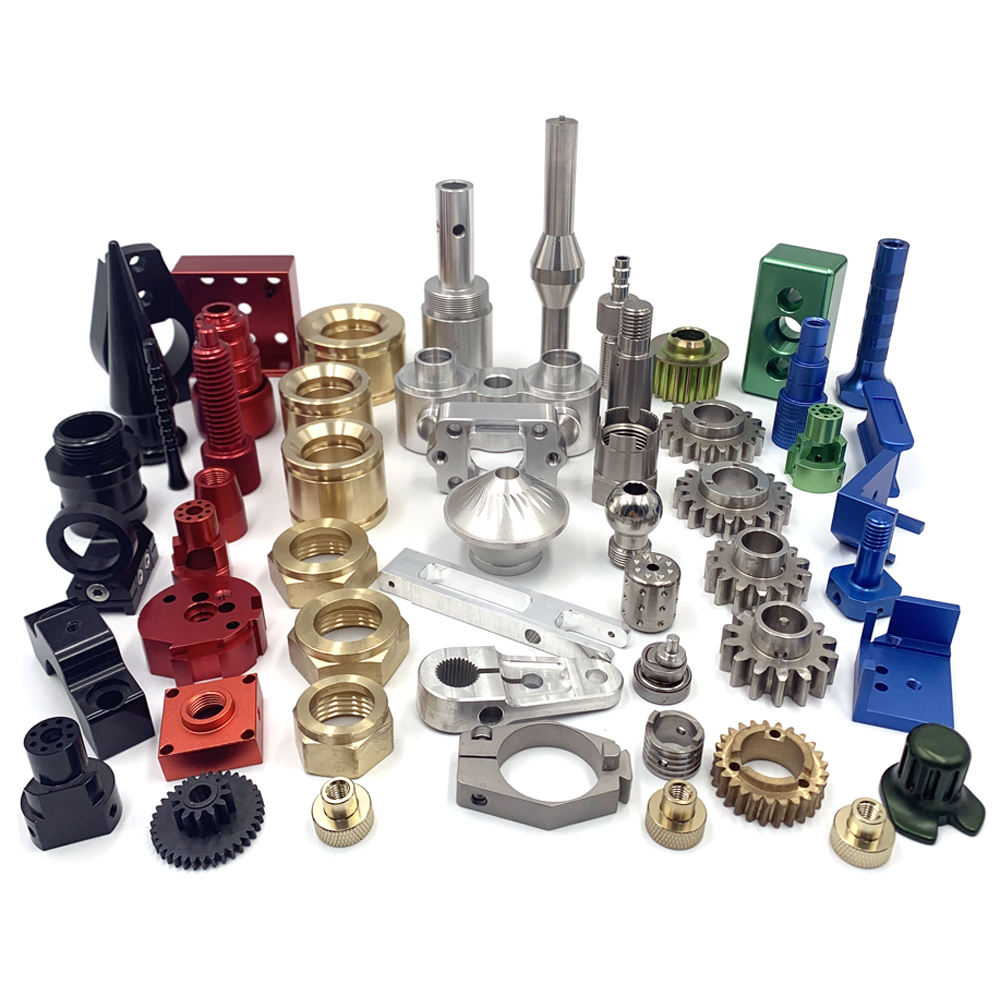
Titanium CNC Turning Parts
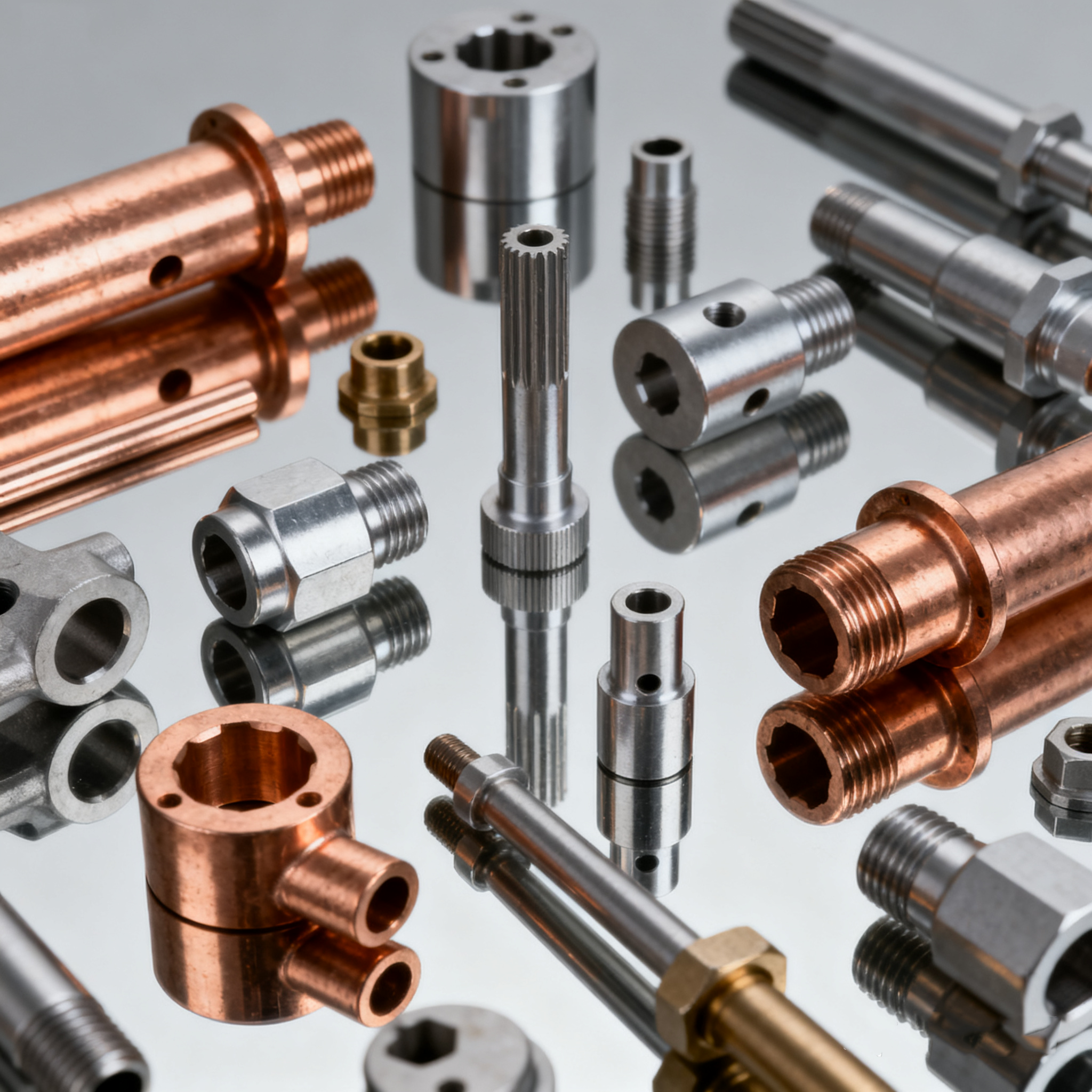
MIG Welding and CNC Titanium Machining for Industrial Equipment Assemblies
- Product ID: Titanium CNC Turning Parts
- Tel: +8618998453346
- WhatsApp: +8618998453346
- Tel: +8618998453346
- Email: [email protected]
- Time: 2024-09-01 00:34
- Price: 0
Titan MIG welder systems were used for structural joints
Proper shielding ensured weld quality and prevented oxidation
Pre-machined surfaces enabled tight joint fit-up for post-weld machining
Titanium milling for flanges, plates, and structural ribs
Titanium turning for cylindrical connectors and alignment features
Drilled holes for assembly fasteners
Join thick plates and heavy structural components
Maintain high deposition rates without compromising weld integrity
Ensure consistent penetration and strong mechanical properties
Critical surface interfaces
Bolt and mounting hole dimensions
Cylindrical alignment features
Visual inspection of weld beads
CMM dimensional verification of critical features
Gauge checks and functional fit testing
Optimize CNC machining for weld fit-up
Determine optimal MIG welding parameters
Plan post-weld finishing operations
Heavy industrial machinery frames
Pressure-resistant assemblies
Structural supports in corrosive environments
Background: Industrial Equipment Assembly Challenges
Industrial equipment often requires large, thick titanium components to withstand high loads, wear, and corrosive environments. Welding these parts is essential for assembling large frames, pressure vessels, and structural supports.
In this project, MIG welding titanium was combined with CNC machining to produce thick, high-strength assemblies for industrial machinery. The goal was to maintain dimensional accuracy, structural integrity, and surface quality in heavy-duty environments.
Material Selection and MIG Welding Considerations
Titanium alloys were selected for strength, corrosion resistance, and thermal stability. MIG welding titanium, while less common than TIG, allowed higher deposition rates suitable for thick sections:
The machinability of titanium alloys was considered alongside welding parameters to minimize distortion and residual stress.
CNC Titanium Machining Before Welding
Before welding, CNC titanium machining was applied to produce:
All machined titanium parts were dimensionally verified to ensure proper fit during MIG welding.
MIG Welding Titanium for Thick Assemblies
MIG welding titanium was applied to:
Shielding gas coverage and controlled welding speed were critical to prevent contamination and distortion in thick titanium sections.
Post-Weld Machining and Finishing
After MIG welding, assemblies underwent secondary CNC machining to restore:
Titanium milling and titanium turning ensured dimensional accuracy within ±0.01 mm and surface quality suitable for industrial assembly.
Heat Treatment and Stress Management
Selective heat treatment and stress relief were applied after welding to stabilize the material. Thick welded sections were analyzed metallographically to confirm no adverse effects on microstructure or mechanical properties.
Inspection and Quality Assurance
Inspection included:
All processes were performed under ISO9001:2015 and IATF16949 certified quality systems with full traceability.
OEM Manufacturing and Engineering Collaboration
The project followed an OEM model. Engineering teams collaborated with the customer to:
CAD/CAM tools like SolidWorks, UG, and CATIA were used for programming and simulation. Supported drawing formats included STEP, DWG, DXF, IGS, STL, and PDF. Prototype assemblies were validated prior to production.
Applications in Industrial Equipment
MIG welding titanium combined with CNC machining is widely used for:
This approach provides high-strength, corrosion-resistant, and dimensionally accurate titanium assemblies for demanding applications.
Conclusion
This case demonstrates the integration of MIG welding titanium and CNC machining for thick industrial equipment assemblies. By controlling welding parameters, machining sequences, and post-weld finishing, manufacturers can produce reliable, durable, and high-precision titanium components.
RELATED PRODUCTS
CATEGORIES
LATEST NEWS
CONTACT US
Whatsapp: +8618998453346
Phone: +8618998453346
Tel: +8618998453346
Email: [email protected]
Addr: Room 302, Building D, COFCO Gonghua Project, Zone 20, Honglang Community, Xin'an Street, Bao'an District, Shenzhen City.