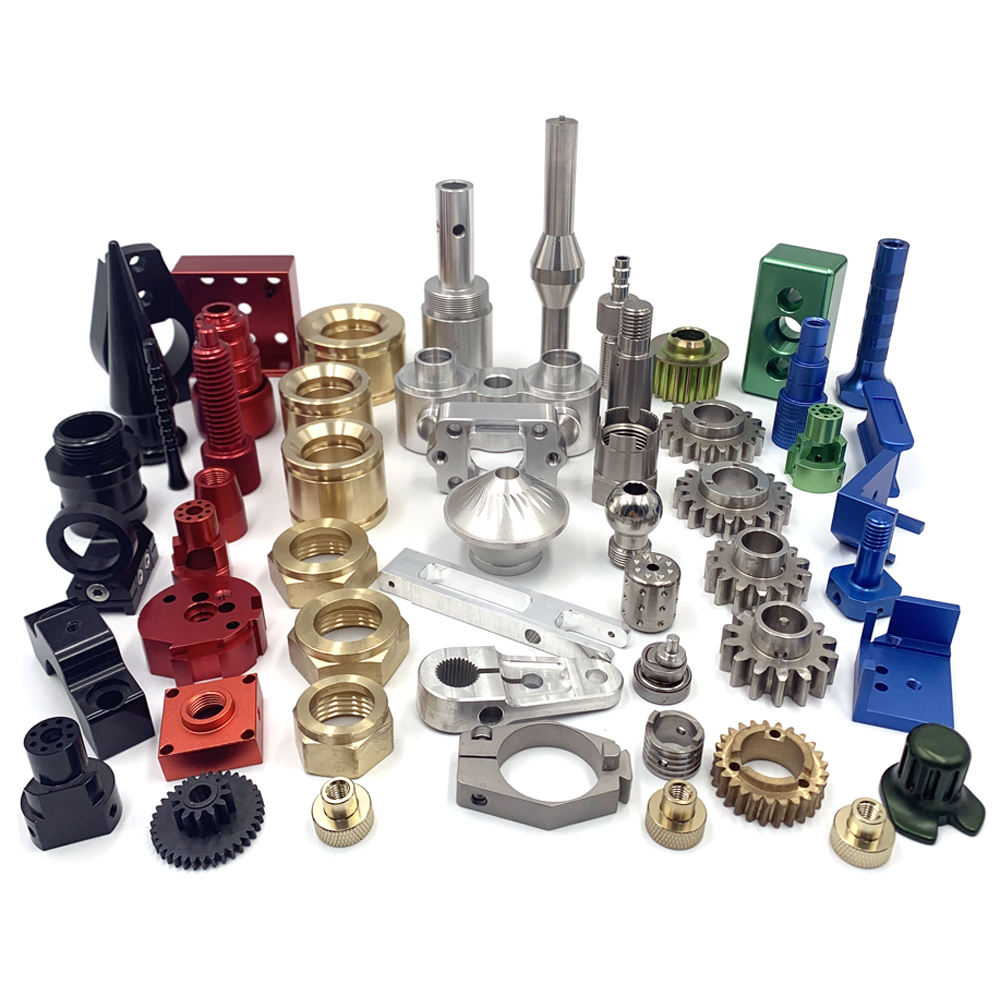
Titanium CNC Turning Parts
Titanium Face Milling Integrated with Sinker EDM for Aerospace Components
- Product ID: Titanium CNC Turning Parts
- Tel: +8618998453346
- WhatsApp: +8618998453346
- Tel: +8618998453346
- Email: [email protected]
- Time: 2024-09-01 00:24
- Price: 0
Low thermal conductivity, leading to localized heat
Work hardening tendencies
Difficulty in achieving flat, distortion-free surfaces on large parts
Creating large, flat reference surfaces
Achieving precise parallelism and thickness control
Minimizing thermal and mechanical stresses
Deep cavities with precise corner radii
Complex mounting slots
Blind pockets requiring minimal taper
CNC titanium face milling for external reference surfaces
Sinker EDM titanium for internal cavities and precise cutouts
Post-EDM finishing via CNC milling to restore flatness and surface finish
CMM measurement for flatness and feature location
Gauge checks for functional interfaces
Surface finish verification for critical faces
Optimizing face milling sequences for precision and flatness
Designing sinker EDM electrodes for internal features
Planning post-EDM finishing and inspection
Aerospace structural components
Precision fixtures and mounting assemblies
Components requiring large flat surfaces combined with intricate internal features
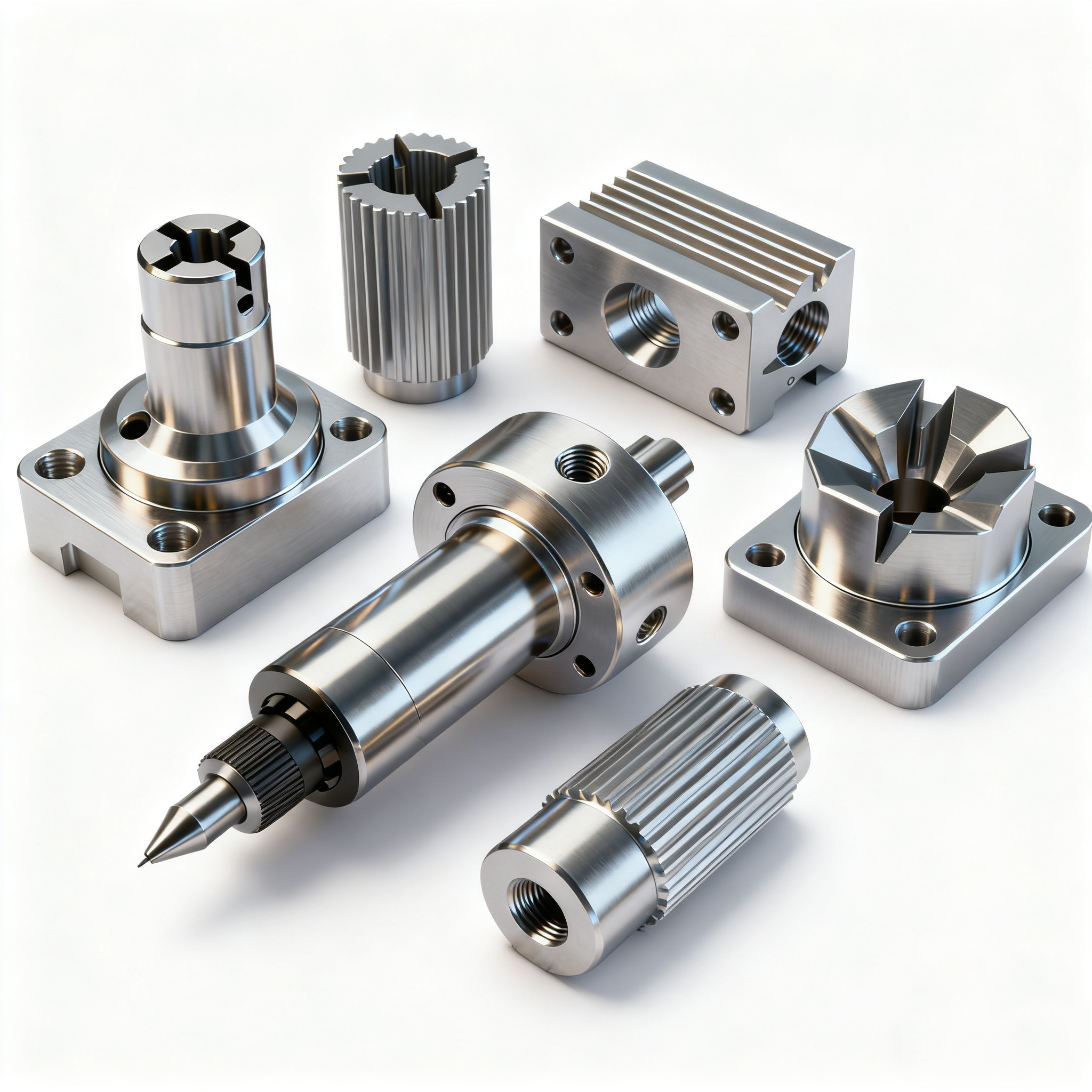 Background: Precision Surface Requirements in Aerospace
Aerospace components often require perfectly flat and parallel surfaces for proper assembly, sealing, and load-bearing performance. Titanium face milling, combined with sinker EDM for internal features, provides a high-precision solution for these demanding parts.
In this case, aerospace components featured large flat surfaces, deep internal cavities, and precision mounting features. Integration of titanium face milling with sinker EDM ensured tight tolerances, high surface quality, and minimal distortion.
Material Selection and Machinability Challenges
Titanium alloys used in aerospace provide high strength, fatigue resistance, and corrosion protection. Machinability challenges include:
Face milling titanium, combined with controlled milling parameters and post-machining inspection, mitigated these issues.
CNC Titanium Face Milling Process
Titanium face milling operations focused on:
High-rigidity CNC machines with precision spindle control were used. Depth-of-cut, feed rate, and spindle speed were optimized for high-speed machining titanium while reducing tool wear.
Integration with Sinker EDM Titanium
After face milling, sinker EDM titanium was used to produce complex internal features such as:
Electrode design and EDM parameters were optimized to maintain dimensional accuracy and surface integrity.
Hybrid Machining Workflow
The workflow combined:
This hybrid approach ensured minimal distortion, high precision, and consistent quality across all parts.
Dimensional Tolerance and Surface Quality
Critical tolerances were held within ±0.01 mm. Face-milled surfaces achieved smooth, flat finishes with surface roughness suitable for assembly and sealing requirements.
Inspection included:
Heat Treatment and Stress Management
Due to low heat input during face milling and EDM, heat-affected zones were minimal. Selective stress relief and aging treatments were applied for parts requiring enhanced dimensional stability.
OEM Support and Engineering Collaboration
The project followed an OEM model. Engineering support included:
CAD/CAM systems such as SolidWorks, UG, and CATIA were used for programming and simulation. Supported drawing formats included STEP, DWG, DXF, IGS, STL, and PDF. Prototype validation ensured full compliance before production.
Applications in Aerospace
Titanium face milling integrated with sinker EDM is widely used for:
This approach ensures both external flatness and internal precision, critical for high-performance aerospace parts.
Conclusion
This case demonstrates how titanium face milling, integrated with sinker EDM, enables production of aerospace components with high precision, flat surfaces, and complex internal features. By carefully controlling machining parameters and combining finishing operations, manufacturers deliver high-quality, reliable machined titanium parts for demanding applications.
RELATED PRODUCTS
CATEGORIES
LATEST NEWS
CONTACT US
Whatsapp: +8618998453346
Phone: +8618998453346
Tel: +8618998453346
Email: [email protected]
Addr: Room 302, Building D, COFCO Gonghua Project, Zone 20, Honglang Community, Xin'an Street, Bao'an District, Shenzhen City.