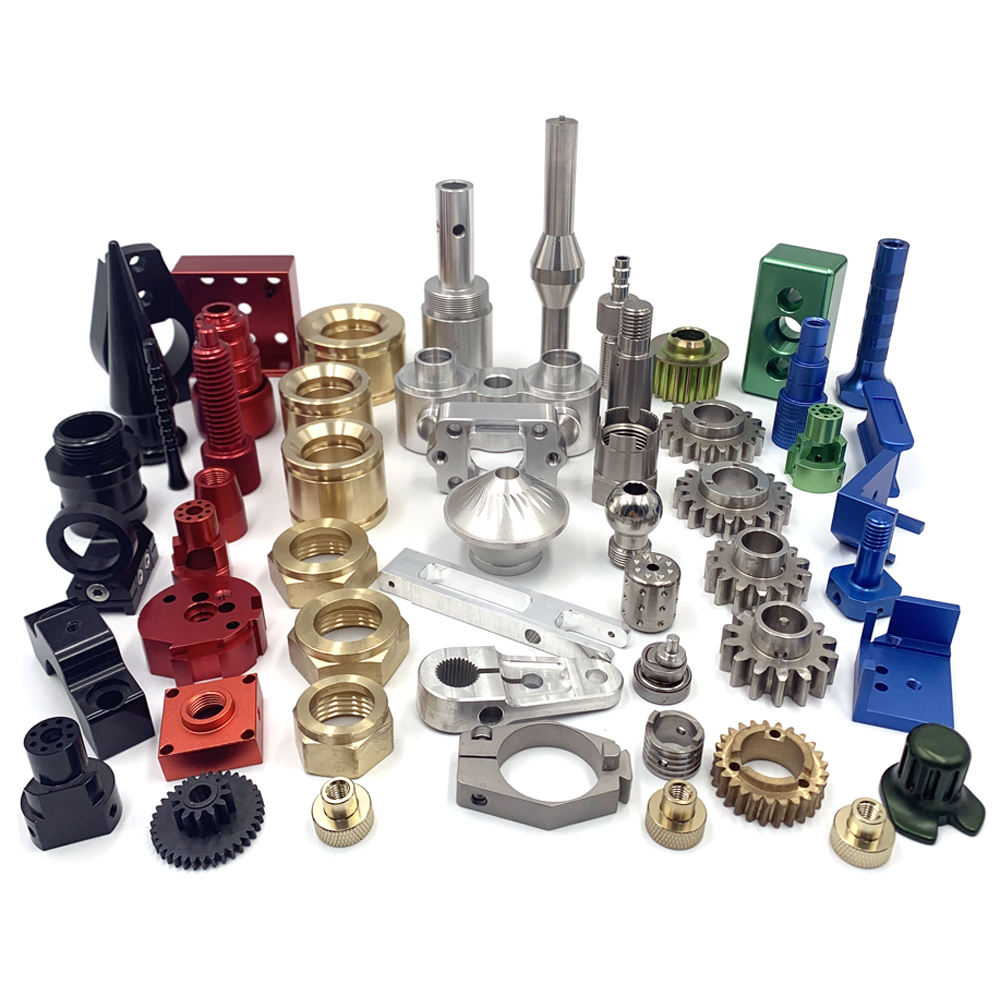
Titanium CNC Turning Parts
Wire EDM and CNC Titanium Machining for Complex Contour Components
- Product ID: Titanium CNC Turning Parts
- Tel: +8618998453346
- WhatsApp: +8618998453346
- Tel: +8618998453346
- Email: [email protected]
- Time: 2024-09-01 00:26
- Price: 0
Low thermal conductivity
High strength and work hardening tendency
Difficulty in achieving sharp internal corners with conventional cutting
Titanium milling for complex external geometries
Titanium turning for cylindrical features
Drilling and hole preparation for assembly
Precision internal cutouts
Narrow slots and thin walls
Complex contour profiles
CNC machining produced external features and datum references
Wire EDM titanium created internal contours and precision cutouts
Post-EDM finishing with milling or turning ensured flatness and surface quality
CMM verification
Gauge measurement for functional features
Surface roughness checks
Optimize wire EDM paths and cutting parameters
Align CNC titanium machining sequences
Plan post-EDM finishing and inspection
Sharp internal corners and thin walls
Complex contours for aerospace fixtures
Precision parts in medical and industrial equipment
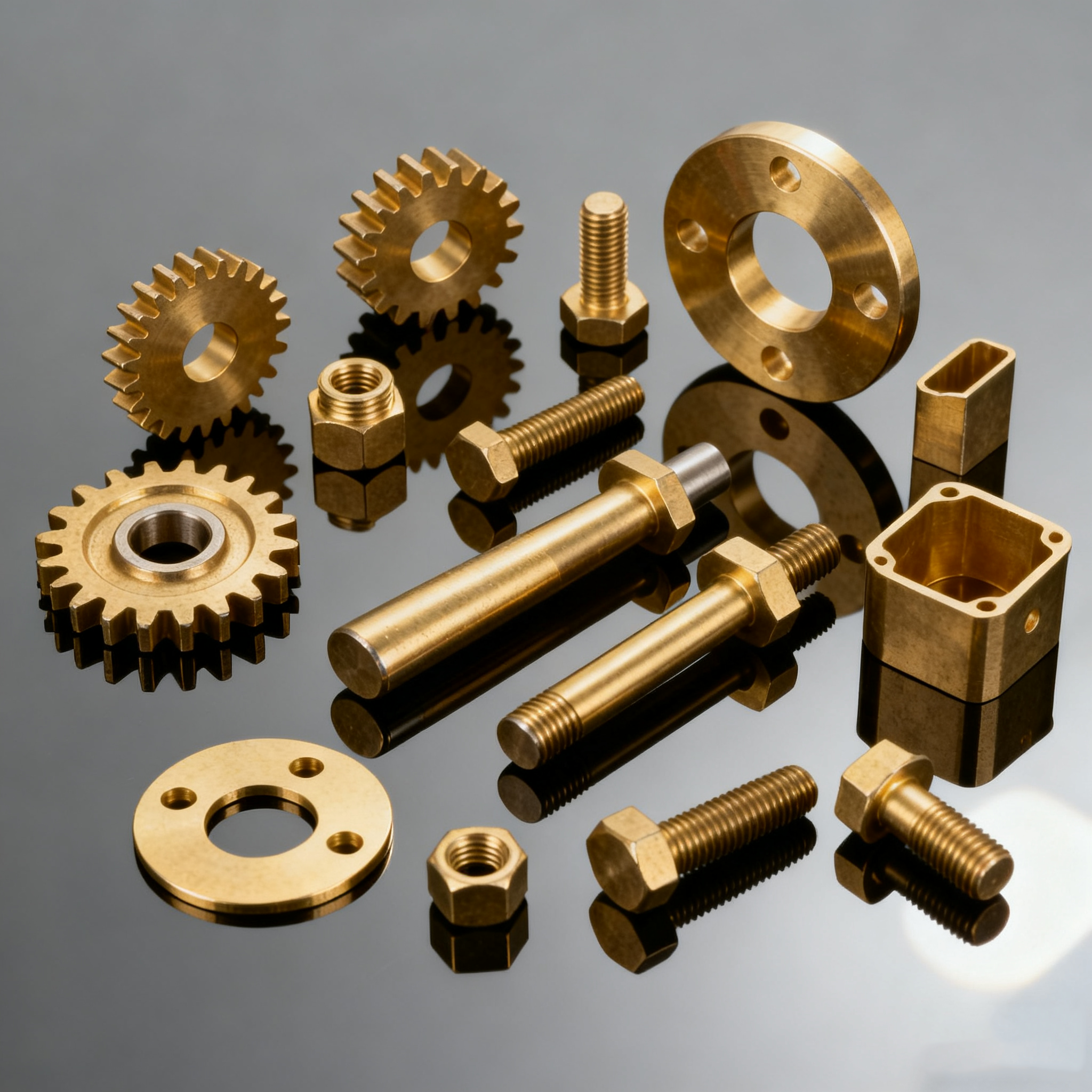
Background: Precision and Complexity in Titanium Components
Wire EDM is essential for producing titanium components with intricate contours, thin walls, and sharp internal corners. Conventional milling and turning alone often cannot achieve the precision required for aerospace, medical, and high-performance industrial applications.
In this case, the customer required complex titanium components with features that included narrow slots, internal cutouts, and sharp radii. Integration of wire EDM titanium with CNC titanium machining ensured high accuracy and repeatability.
Material Selection and Machinability Considerations
Titanium alloys were selected for their strength, corrosion resistance, and fatigue performance. Machining titanium presents challenges due to:
Wire EDM titanium mitigated these challenges by enabling cold cutting with minimal distortion.
CNC Titanium Machining of External Features
External surfaces, mounting points, and datum features were machined using CNC titanium machining prior to wire EDM operations. Operations included:
This ensured accurate reference surfaces for precise wire EDM alignment.
Wire EDM Titanium for Complex Internal Features
Wire EDM titanium was used for:
Optimized EDM parameters, including wire tension, pulse energy, and feed rate, ensured high dimensional accuracy and surface integrity. Multiple passes reduced recast layers and enhanced edge quality.
Integration and Hybrid Machining Workflow
The hybrid workflow combined CNC titanium machining and wire EDM titanium:
This approach minimized distortion and allowed consistent production of complex titanium CNC parts.
Tolerance Control and Surface Quality
Critical features were held within ±0.01 mm tolerance. Wire EDM ensured minimal kerf width, sharp edges, and smooth surfaces, suitable for aerospace and high-precision industrial assemblies. Post-machining inspections included:
Heat Treatment and Stress Management
Since wire EDM is a cold-cutting process, heat-affected zones were negligible. Selective stress relief and solution-aging treatments were applied only for components requiring additional structural stabilization.
OEM Support and Engineering Collaboration
The project followed an OEM model. Engineering teams collaborated to:
CAD/CAM software like SolidWorks, UG, and CATIA were used. Supported drawing formats included STEP, DWG, DXF, IGS, STL, and PDF. Prototype validation ensured full compliance before production.
Applications in Aerospace, Medical, and Industrial Sectors
Wire EDM titanium is widely applied for components requiring:
This capability expands design flexibility and ensures high-quality machined titanium parts.
Conclusion
This case demonstrates how wire EDM titanium, integrated with CNC titanium machining, produces complex contour components with high precision and minimal distortion. By controlling EDM parameters and combining finishing operations, manufacturers deliver reliable, functional, and dimensionally accurate titanium CNC parts.
RELATED PRODUCTS
CATEGORIES
LATEST NEWS
CONTACT US
Whatsapp: +8618998453346
Phone: +8618998453346
Tel: +8618998453346
Email: [email protected]
Addr: Room 302, Building D, COFCO Gonghua Project, Zone 20, Honglang Community, Xin'an Street, Bao'an District, Shenzhen City.