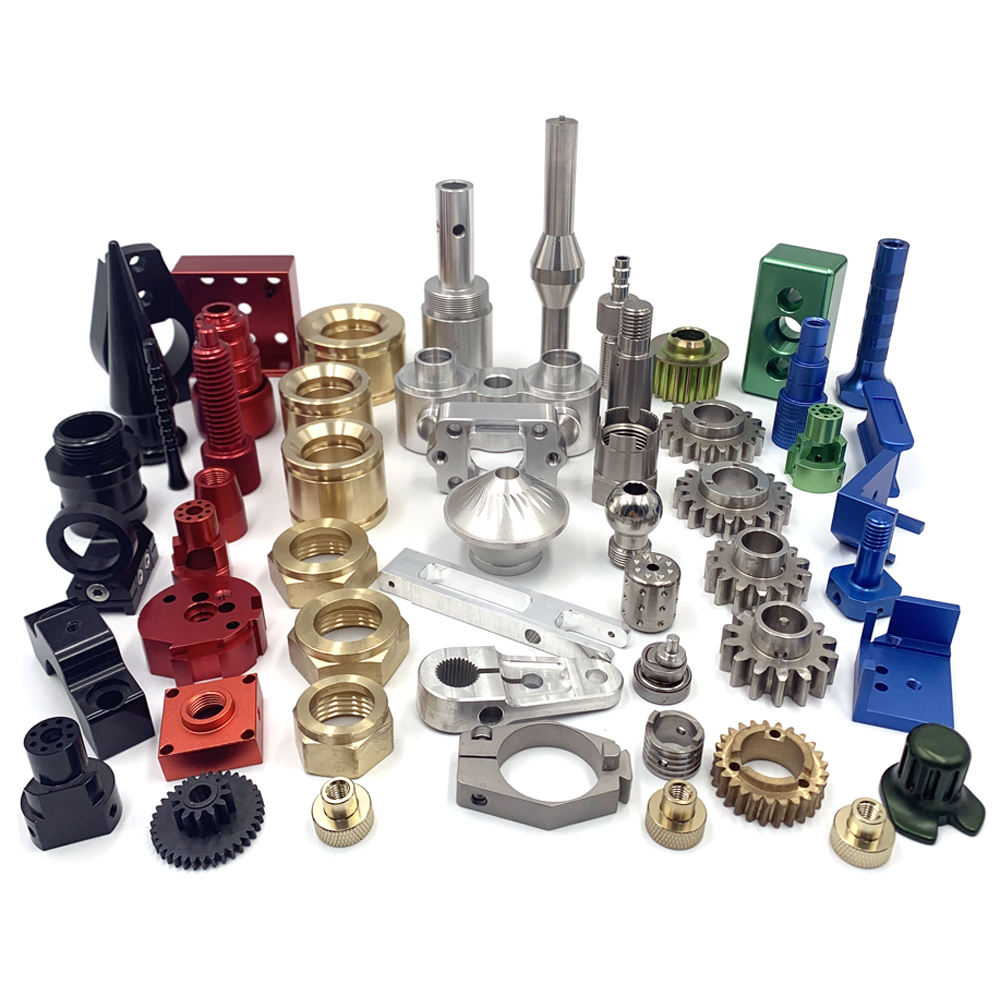
Titanium CNC Turning Parts
Titanium Plasma Cutting and High-Speed Machining for Aerospace Brackets
- Product ID: Titanium CNC Turning Parts
- Tel: +8618998453346
- WhatsApp: +8618998453346
- Tel: +8618998453346
- Email: [email protected]
- Time: 2024-09-01 00:20
- Price: 0
Low thermal conductivity, causing heat buildup
Work hardening tendencies
Difficult cutting edges for sharp corners
Securing titanium sheets with precision fixtures
Adjusting plasma cutting parameters for material thickness
Cutting near-net-shape blanks for CNC finishing
Titanium milling for slots, pockets, and ribs
Titanium turning for cylindrical features
Drilling and finishing operations for assembly interfaces
Optimize plasma cutting paths and cutting parameters
Plan high-speed machining operations for precision features
Validate prototypes for fit and function
Aerospace structural brackets
Lightweight mounting assemblies
Complex titanium components requiring rapid material removal and precision finishing
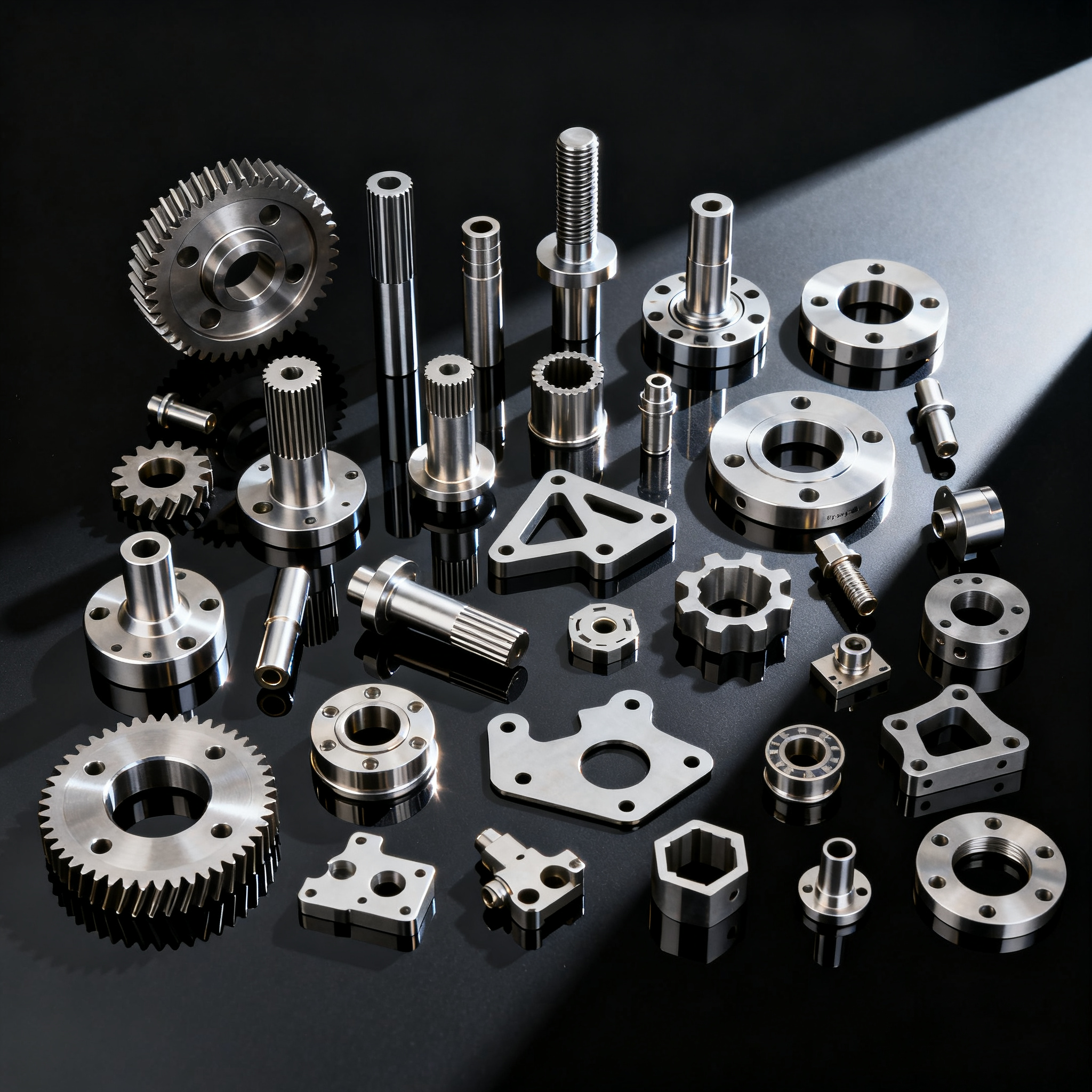
Background: Precision Brackets for Aerospace Applications
Aerospace brackets often combine thin walls, cutouts, and high-strength profiles. Titanium plasma cutting allows rapid separation of raw titanium plates, while high-speed machining ensures precise final dimensions and surface quality.
In this project, titanium brackets were required for aerospace fixtures and assemblies. The combination of titanium plasma cutters and high-speed CNC machining provided fast, accurate production with minimal distortion.
Material Selection and Machinability Considerations
Titanium alloys were chosen for their corrosion resistance, fatigue strength, and weight savings. Machinability challenges include:
Titanium plasma cutters allowed initial rapid cutting, followed by high-speed machining titanium to achieve precise features and surface finish.
Titanium Plasma Cutting Process
The plasma cutting process included:
Plasma cutting provided rapid material removal and accurate preliminary shapes. The heat-affected zone was minimized through optimized cutting speed and plasma settings.
High-Speed Machining Titanium for Precision Features
After plasma cutting, high-speed CNC machining operations produced:
High-speed machining titanium reduced cycle times while maintaining dimensional accuracy and surface quality.
Dimensional Accuracy and Surface Quality
Critical tolerances were maintained within ±0.01 mm. Surface finishes met aerospace requirements for assembly, load-bearing, and sealing interfaces.
CMM inspections and gauge checks ensured dimensional compliance. Edges and cutouts from plasma cutting were refined during CNC machining.
Heat Management and Stress Control
Titanium plasma cutting introduced minimal heat due to optimized parameters. High-speed machining titanium minimized tool-induced heat buildup, preserving the material’s mechanical properties.
Selective stress relief was applied for parts with critical flatness or alignment requirements.
OEM Support and Engineering Collaboration
This project followed an OEM manufacturing model. Engineering teams collaborated to:
CAD/CAM tools such as SolidWorks, UG, and CATIA were used. Supported drawing formats included STEP, DWG, DXF, IGS, STL, and PDF.
Applications in Aerospace
Titanium plasma cutting combined with high-speed machining is widely used for:
This integration allows manufacturers to deliver high-quality machined titanium parts efficiently.
Conclusion
This case demonstrates how titanium plasma cutting, combined with high-speed CNC machining, enables production of precise aerospace brackets. By controlling cutting parameters, machining sequences, and finishing operations, manufacturers achieve high-quality, distortion-free titanium parts with tight tolerances and excellent surface finishes.
RELATED PRODUCTS
CATEGORIES
LATEST NEWS
CONTACT US
Whatsapp: +8618998453346
Phone: +8618998453346
Tel: +8618998453346
Email: [email protected]
Addr: Room 302, Building D, COFCO Gonghua Project, Zone 20, Honglang Community, Xin'an Street, Bao'an District, Shenzhen City.