TIG / GTAW
Titanium MIG and TIG Welding for Machined Titanium Parts Assembly
- Product ID: TIG / GTAW
- Tel: +8618998453346
- WhatsApp: +8618998453346
- Tel: +8618998453346
- Email: [email protected]
- Time: 2024-08-18 18:21
- Price: 0
High reactivity with oxygen and nitrogen at elevated temperatures
Sensitivity to contamination during welding
Potential distortion affecting machined features
Machine precise joint interfaces
Maintain tight tolerances on mating surfaces
Prepare chamfers and weld grooves
Thin-wall titanium parts
Precision joints requiring clean weld beads
Assemblies with tight dimensional requirements
Thicker titanium sections
Structural joints requiring higher deposition rates
Assemblies where efficiency was critical
Restore critical dimensions
Machine mounting surfaces
Ensure flatness and alignment
Visual inspection of weld appearance
Dimensional checks using gauges and CMM
Non-destructive testing where required
Select appropriate welding methods
Control distortion during welding
Optimize machining and welding sequences
Aerospace structural assemblies
Energy equipment frames
Industrial systems requiring corrosion resistance
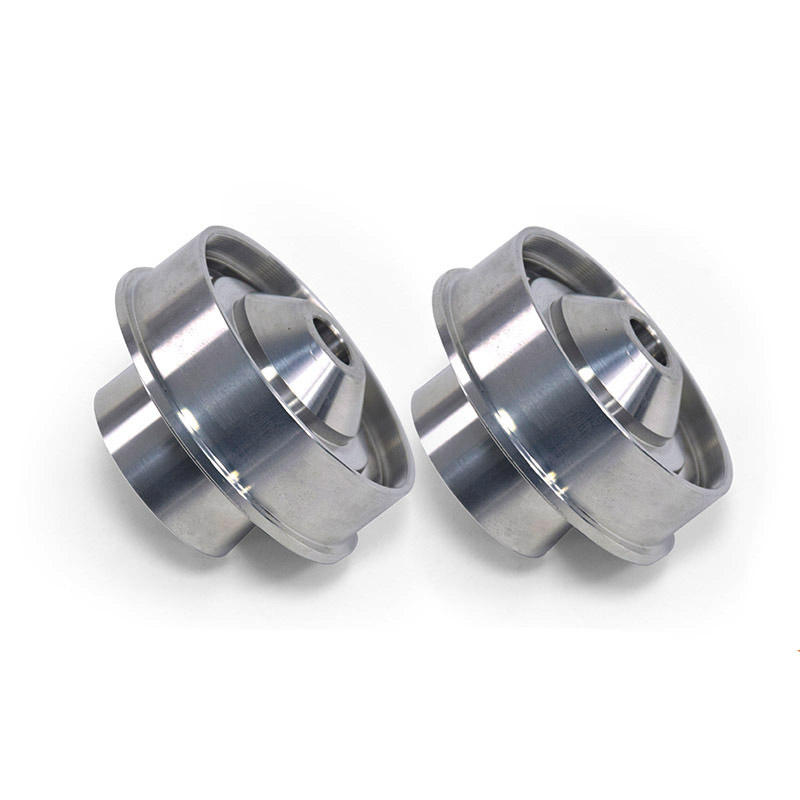 Background: Welded Titanium Assembly Requirements
Many industrial, aerospace, and energy applications require titanium components to be welded into complex assemblies. These assemblies must maintain strength, corrosion resistance, and dimensional accuracy after welding.
In this case, the customer required multiple CNC-machined titanium parts to be welded into a rigid structural assembly. Both TIG and MIG welding were used depending on joint geometry, thickness, and strength requirements.
Material Selection and Welding Considerations
Titanium alloys were selected for their excellent strength-to-weight ratio and corrosion resistance. Welding titanium requires strict control due to:
Proper shielding and surface preparation were essential to achieve high-quality welds.
CNC Machining Preparation for Welding
Before welding, CNC titanium machining was used to:
Accurate machining ensured proper fit-up and minimized welding distortion.
TIG Welding Titanium Components
TIG welding was applied for:
TIG welder titanium processes provided excellent control and weld quality.
MIG Welding Titanium Assemblies
MIG welding was used for:
MIG welder titanium techniques ensured strong weld penetration and consistent joint strength.
Post-Weld Machining and Finishing
After welding, selected assemblies underwent additional CNC machining to:
This process produced finished machined titanium parts ready for installation.
Inspection and Quality Assurance
Inspection methods included:
These steps ensured welded assemblies met functional and dimensional requirements.
OEM and Engineering Collaboration
Engineering teams worked closely with the customer to:
CAD, CAM, and CAE tools were used, with drawing formats including STEP, DWG, DXF, IGS, STL, and PDF.
Applications of Welded Titanium Assemblies
Titanium welding combined with CNC machining is commonly used for:
This approach enables complex assemblies with high strength and reliability.
Conclusion
This case demonstrates how TIG and MIG welding combined with CNC titanium machining produces high-quality welded titanium assemblies. Proper machining preparation, controlled welding processes, and thorough inspection ensure durable and precise machined titanium parts for demanding applications.
RELATED PRODUCTS
CATEGORIES
LATEST NEWS
CONTACT US
Whatsapp: +8618998453346
Phone: +8618998453346
Tel: +8618998453346
Email: [email protected]
Addr: Room 302, Building D, COFCO Gonghua Project, Zone 20, Honglang Community, Xin'an Street, Bao'an District, Shenzhen City.